
Personalized Gaming: Using AI to Adapt Difficulty and Experience
Read Time:2 Minute, 1 Second
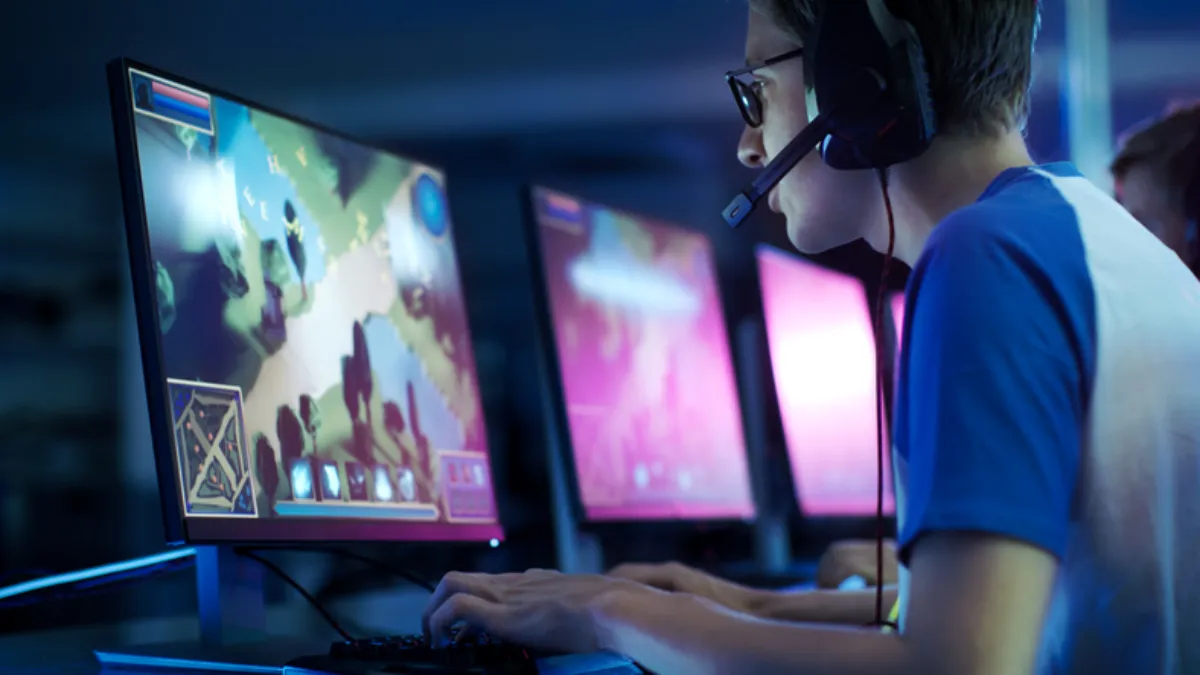
One of the biggest challenges in game design is balancing difficulty; if a game is too hard, players get frustrated and quit; if it’s too easy, they get bored. The purpose of using gaming AI tools for personalization is to create a “Goldilocks” experience—where the game is always just right for each individual player. Using “Dynamic Difficulty Adjustment” (DDA), AI monitors a player’s performance—their hit rate, death count, and time spent on a puzzle—and silently adjusts the enemy strength, health drops, or puzzle clues in real-time. This ensures that every player feels challenged and successful, regardless of their skill level.
The target audience for personalized AI includes game designers, educational software developers, and accessibility advocates. For designers, these tools remove the need for “Easy/Medium/Hard” settings, creating a single, fluid experience that respects the player’s pace. For educational games, AI personalization is essential for keeping students motivated by serving them content that is precisely at the edge of their current knowledge. Accessibility advocates value these tools because they allow players with physical disabilities to enjoy complex games that might otherwise be mechanically impossible for them to navigate without help.
The benefits are centered on player retention and emotional satisfaction. A game that adapts to you feels more like a personal journey and less like a test. This leads to much higher “completion rates,” as players are less likely to hit a “wall” they can’t overcome. Secondly, AI can personalize the type of content you see; if the system notices you enjoy exploration more than combat, it can prioritize discovery-based side-quests in your path. This level of responsiveness makes the game world feel truly alive and attentive to the player’s desires, fostering a deeper psychological connection with the medium.
Usage typically involves a “player profile” that is built over the course of a playthrough. The AI doesn’t just look at the last five minutes of play, but the historical behavior of the player across the entire game. For example, if a player is struggling with a specific boss, the AI might subtly decrease the boss’s reaction speed after the third attempt. Some systems also use this data to recommend other games or AI for entertainment apps that the player is likely to enjoy. By putting the player at the center of the design process, AI is making gaming a more inclusive and rewarding experience for everyone.

Happy
0 %

Sad
0 %

Excited
0 %

Sleepy
0 %

Angry
0 %

Surprise
0 %
 0
0
 0
0
More Stories

BestLinks AI Vs A Paid Invoice For Listings
Directory owners in India often treat a vendor email as a price check. The mailbox looks harmless because no rupee...

The Problem With Software “Best Of” Lists — And What a Recommendation-First Approach Looks Like Instead
Anyone who has tried to pick a SaaS tool recently knows the drill: open a "Top 10" listicle, find ten...

Create Engaging Visual Stories with AI Tools
Visual storytelling is no longer just for professional movie studios or high budget marketing agencies. Anyone with a computer and...
Top Strategies To Improve Your Speed in Ludo Games
Playing Ludo on digital screens has completely transformed how board game enthusiasts experience traditional gameplay. Modern formats focus heavily on...

Listing Photos Fail When Image to Image Invents A Shopfront
Customers still walk to the address on the listing. A local Image to Image update is useful only when the...
Create Better Small-Business Marketing Visuals Without a Full Photo Shoot
A small business can need a surprising number of images in one month: a seasonal post, a directory listing, a...