
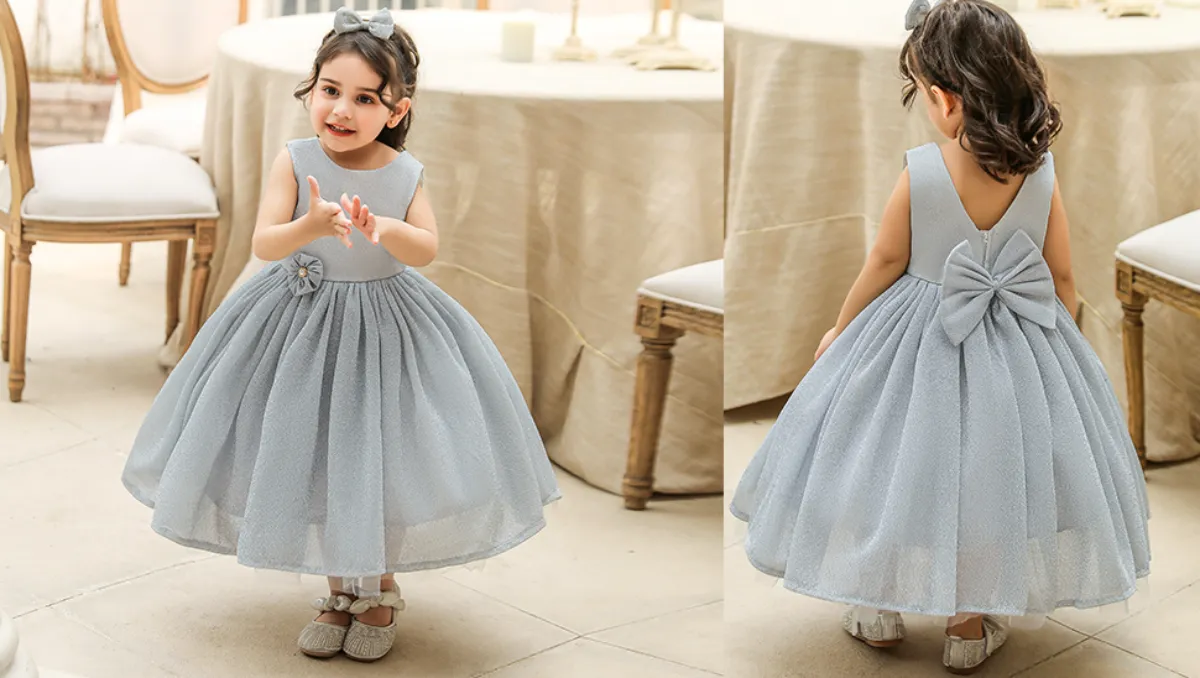
How to Balance Style, Comfort, and Budget When Buying Formal Dresses for Kids
Read Time:4 Minute, 18 Second
Shopping for formal dresses for children can feel like navigating a maze of competing priorities. You want your child to look polished and age-appropriate, but you also need the dress to be comfortable enough to wear through a long event. At the same time, spending a significant amount on a garment that will likely be outgrown within a year is a genuine concern for most families. Finding the right balance between style, comfort, and budget requires a thoughtful approach before you ever set foot in a store or start browsing online. With the right strategy in place, you can find a dress that checks all three boxes without unnecessary stress.
Understanding What Style Means for Kids’ Formalwear
Style in children’s formalwear does not need to mirror adult fashion trends to be effective. Age-appropriate designs tend to emphasize clean silhouettes, classic colors, and tasteful embellishments rather than overly complex detailing. When choosing a style, consider the specific occasion — whether it is a wedding, a quinceañera, a holiday party, or a school event — since each setting carries its own level of formality. Your child’s personal preferences matter as well, because a child who feels genuinely confident in what they are wearing will carry themselves better throughout the event. Timeless cuts such as A-line silhouettes, empire waists, and simple ball gown styles tend to photograph well and remain versatile across different occasions. Steering away from overly trendy designs can also extend the dress’s usability, particularly if you anticipate needing it for more than one event.
Prioritizing Comfort Without Sacrificing Appearance
Comfort is often the most overlooked element when selecting formal attire for children, yet it deserves just as much attention as the dress’s overall look. Children are naturally active, and a dress that restricts movement or causes irritation will affect their experience — and behavior — throughout the entire event. When evaluating comfort, pay close attention to the fabric, since natural fibers like cotton and lightweight chiffon tend to be far more breathable than heavy polyester blends. The lining of the dress matters just as much as the outer material, because poorly lined garments can cause real discomfort against sensitive skin. Construction details are worth examining closely as well, including whether the waistband is elasticized or structured with hard boning, and whether the closures will be manageable for a child. Trying the dress on before purchasing, whenever possible, gives you the clearest picture of both the fit and the child’s range of motion in the garment.
Setting a Realistic Budget and Shopping Strategically
Establishing a clear budget before you begin shopping helps you filter options quickly and avoid overspending on a garment that may only be worn once or twice. Children’s formalwear spans a wide price range, and a higher price tag does not always signal better quality or greater durability. A practical approach is to set a moderate budget and then focus on finding the best construction and fabric quality within that range. Shopping during off-season sales, seeking out styles that can be dressed up or down for multiple occasions, and sizing up slightly to extend the garment’s wearable life are all strategies worth considering. If the event is particularly significant — such as a quinceañera or another milestone celebration — investing a bit more may be worthwhile, since those moments carry lasting meaning and are often professionally photographed. When searching for quality quinceanera dresses , specialists in formal and special occasion wear often carry a range of price points and can help you identify styles that meet both your aesthetic and financial goals.
Evaluating Quality and Longevity Before You Buy
Beyond price and appearance, evaluating the overall quality of a dress will help you determine whether it represents good value for your investment. Examine the stitching along the seams — particularly at high-stress points like the zipper, waistband, and armholes — to confirm they are secure and even. Check that any embellishments such as sequins, beading, or appliqué are firmly attached and unlikely to shed during wear. A well-constructed dress with quality finishing will hold up through a full day of wear, photographs, dancing, and the general activity that follows children wherever they go. Reading customer reviews before purchasing online, and asking sales staff about fabric content and care instructions when shopping in person, can give you a much more complete picture of what you are actually buying. According to the American Apparel & Footwear Association , fabric content labeling is a key resource consumers can use to better understand garment quality and care requirements.
Conclusion
Balancing style, comfort, and budget when buying formal dresses for children is entirely achievable when you approach the process with clear priorities and a solid plan. By identifying the occasion’s formality level, focusing on breathable and well-constructed fabrics, and setting a budget that reflects how often the dress will realistically be worn, you can make a confident and informed decision. Taking the time to involve your child in the selection process — within appropriate boundaries — also increases the likelihood that they will feel at ease and genuinely happy throughout the event. Thoughtful preparation, rather than impulse shopping, consistently leads to the best outcomes when children’s formalwear is involved.

Happy
0 %

Sad
0 %

Excited
0 %

Sleepy
0 %

Angry
0 %

Surprise
0 %
 0
0
 0
0
More Stories
From Personal Style to Home Fitness: Building a Lifestyle That Fits You
A coworker of mine spent years chasing whatever fitness trend was popular that month. Spin classes, then CrossFit, then some...

Best Sunscreen in India: Top Dermatologist-Recommended Picks
Even with a lot of options for sunscreen sitting on the shelf, you may still wonder why your skin keeps...
Why Moissanite Is Becoming a Serious Choice for Modern Engagement Rings
Engagement ring buyers today have more options than ever before. Natural diamonds remain important to many couples, while lab-grown diamonds...
Can You Build Muscle Without Lifting Heavy?
To build muscles, you don’t always need heavy weights. Maybe you are new to strength training, working out at home,...
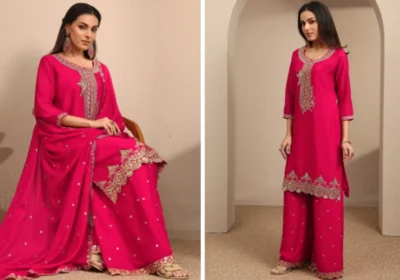
Latest Sharara Suits Online That Are Perfect for Weddings & Festivities
Some outfits have that touch of magic to make all celebrations more memorable. The latest Sharara suits available online combine...

5 Everyday Mistakes That Steal Your Skin Glow
Has your skin lost its natural glow despite following a skincare routine? Is it about expensive products? It’s clear answer...