
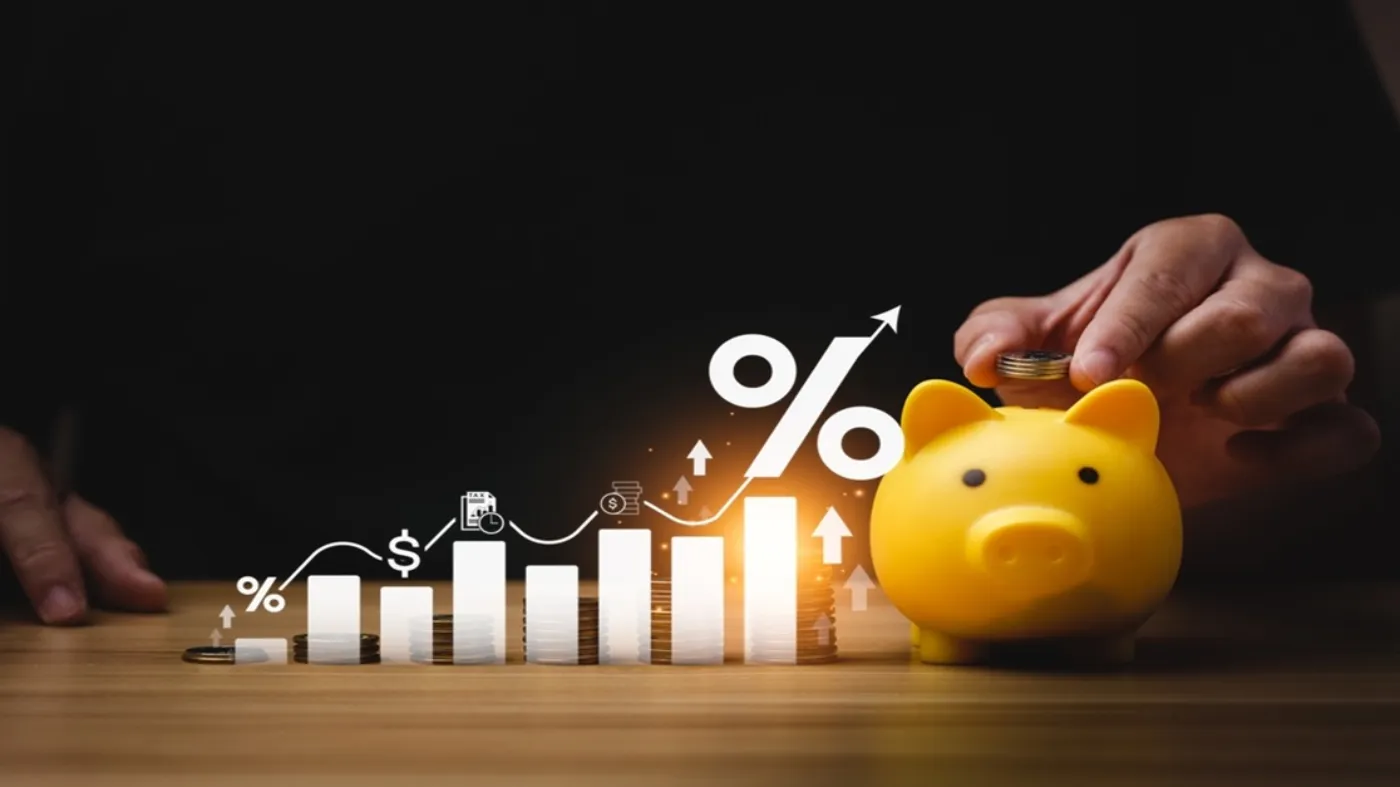
Choosing the Right Bank for Your Daily Expense Account
Read Time:4 Minute, 5 Second
When most people think about choosing a bank for their daily expense account, they compare interest rates, ATM charges, and balance requirements. But these comparisons miss the real question: Which bank understands how I live, spend, and move money every single day?
A daily expense account isn’t where you store wealth—it’s where money constantly flows in and out. It’s where micro-decisions meet real-time consequences. If your bank slows you down, locks you out, or hides behind jargon, you’re not banking—you’re troubleshooting.
So instead of following a checklist, what if we approached this decision like designers? Not financial planners. Let’s reframe the way we choose our expense account—based on behaviour, not brochures.
Match Your Bank to Your Impulse Cycle—Not Your Income Cycle
Most accounts are structured around monthly credits (your salary) and long-term savings. But your expense account is where you live: ₹79 for a coffee, ₹399 for a subscription, ₹1,999 when you finally cave during a flash sale.
This account should support high-frequency, low-friction spending. The app should feel fast, intuitive, and context-aware. Not every UPI payment should require four steps and an OTP delay. Not every swipe should come with a post-transaction anxiety check.
Ask yourself:
- Does the app show me insights into my transactions?
- Can I see my balance without logging into a full portal?
- Can I trust it to handle 50+ small spends a month, without breakdowns?
The Real Test Isn’t Features—It’s Failures
Every bank is pleasant when things work. But how do they behave when things don’t?
You need a bank that reverses failed UPI payments within minutes, sends proactive alerts about deductions or refunds, and doesn’t make you call customer care three times for ₹200.
Most people never test this. But you should. Simulate a small UPI failure and check the time for refund, also check how easy it is to raise a ticket. This is what will matter when your rent bounces or your card is skimmed.
Your daily expense account should feel like infrastructure, not bureaucracy.
Think Infrastructure, Not Storage
Your bank account should behave like a payments API. It needs to integrate, connect, and route your money with as little friction as possible.
- Can you link the account to UPI apps, wallets, and expense trackers?
- Download categorized statements in real time?
- Automate subscriptions, standing instructions, and bill payments?
A good account lets you plug and play. A great one lets you automate. A bad one forces you to remember due dates and manually repeat monthly tasks.
Ujjivan SFB’s mobile banking ecosystem, for instance, supports all major UPI apps, offers spend summaries, and keeps the user interface light and functional—making it ideal for infrastructure-level use.
Design for the Worst Version of You
Not every day is a balanced-budget day. Some days you’ll forget your card PIN, overspend on flash sales, or panic when your balance dips below ₹1,000. Your daily expense account should feel prepared for those moments—not punish you for them.
A well-designed bank account understands that people aren’t perfect. It gives you the tools to stay aware and in control, even when you’re operating on autopilot. Instant card freezing, spending nudges, categorized transaction summaries—these aren’t “nice-to-haves” anymore. They’re the minimum safety net for real-world behaviour.
You’re not just choosing an account that works when you’re focused. You’re choosing one that protects you when you’re distracted, impulsive, or stressed. That’s where behavioural design matters more than any cashback scheme ever will.
The Best Account Is the One You Can Easily Leave
One of the most underrated features of a modern bank is how easily it lets you walk away.
A daily expense account should be flexible—not a lifelong lock-in. You might switch banks in a year. You might need better integrations, faster support, or simply want a change. That transition shouldn’t require a visit to a branch, five calls to customer care, or printed statements in triplicate.
Look for transparency in exit processes. If a bank lets you download statements, delink services, and close your account within a few taps, it’s showing you respect. And that’s a sign of good design.
Final Thoughts
The best banks are invisible when things work and immediate when they don’t. They won’t interrupt your coffee order with unnecessary OTPs. They won’t make you chase refunds across helplines. They’ll simply work—until you need them. And when you do, they’ll respond with clarity, not confusion.
So next time you’re choosing where your everyday money lives, don’t just pick the most popular or the most advertised. Pick the one that behaves the way you do—fast, flexible, and focused on the now.

Happy
0 %

Sad
0 %

Excited
0 %

Sleepy
0 %

Angry
0 %

Surprise
0 %
 0
0
 0
0
More Stories
Payment Infrastructure Challenges for Regulated and High-Volume Businesses in India
Indian businesses that process payments at scale run into a problem their accountants rarely warn them about. A company can...

How Much Term Insurance Coverage Do You Need in India?
Buying life insurance is an important part of financial planning, especially for individuals who have dependents or long-term financial commitments....

How to make ₹1 Cr in 5 years with SIP investment?
Coming from an Indian family, most of us would have certainly heard the age-old money tips: Park your money in...

What is Experian Credit Score and How to Check it?
An Experian credit score is a three-digit number ranging from 300 to 900 that reflects your credit history based on...

Don’t Know How to Manage Your Money? Here’s 6 Expert Tips
Create a Realistic Budget and Track Your Spending Seriously — where does it all go? Pull up your bank statements...

The Educational Importance of Invoice Generators in Modern Business Operations
Introduction Efficient financial documentation is an essential part of every successful business. Whether an organization is a multinational corporation, a...