
What Makes a Living Room Both Functional and Visually Appealing
Read Time:8 Minute, 18 Second
Here’s the truth: a living room that actually works for you has nothing to do with copying some designer’s blueprint. Functional living room design is about building a space around your real life, not someone else’s fantasy. You need comfort, yes. But also traffic patterns that make sense, storage that doesn’t scream,storage,and lighting that shifts with your mood. All while maintaining a visual style you can live with long-term, not something that demands constant fussing. Whether you’re entertaining your crew, wrangling kids and pets, or turning your couch into a makeshift office, your living room needs to flex without feeling chaotic.
This guide gives you practical living room layout ideas and living room decor ideas for spaces of all sizes, plus specific small living room design ideas when you’re working with limited square footage. You’ll discover how to decorate a living room that feels deliberate instead of thrown together with better furniture arrangements, smarter surface choices, and styling that doesn’t fight your daily routine.
Before you fall in love with a sofa or pick paint swatches, spend time thinking about how you actually use this room. That insight drives everything else.
Seating That Looks Great and Works Hard
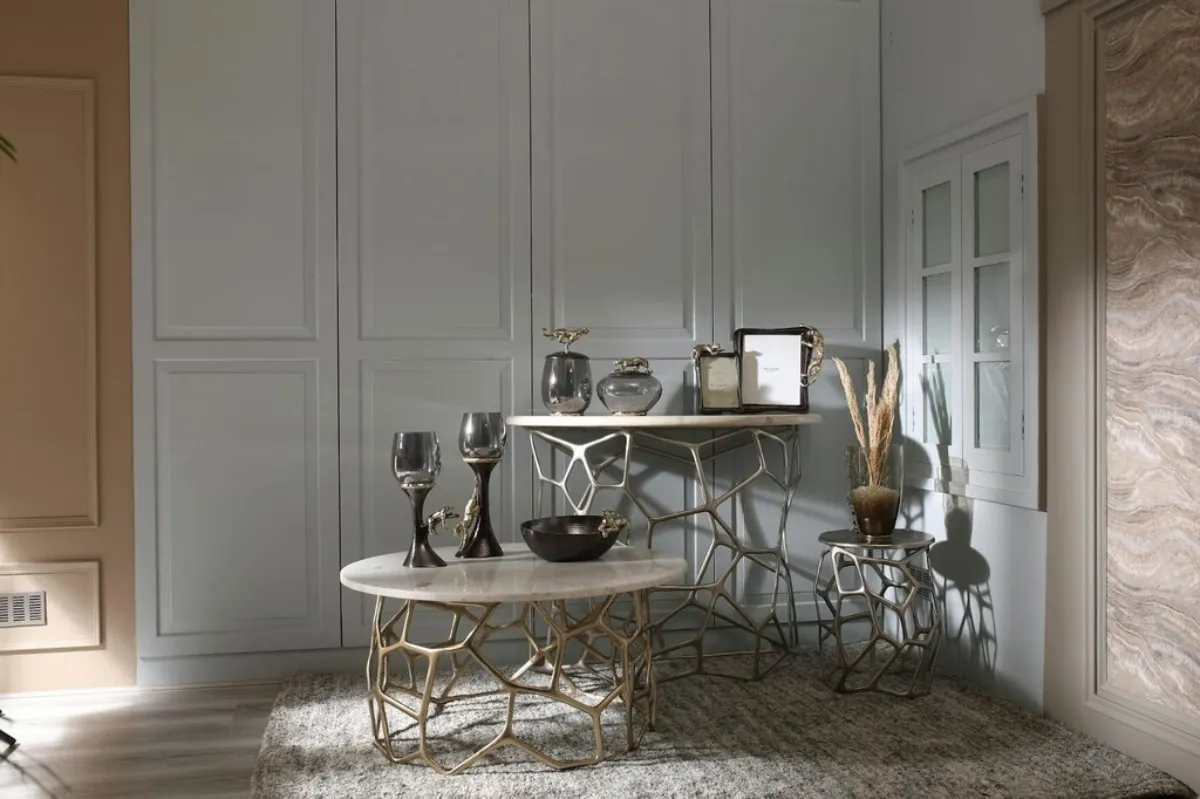
Sofa seat depth is more critical than most people realize. Deeper seats (22+ inches) invite lounging and naps. Shallower options (18 to 20 inches) encourage upright posture, better for conversation. Performance fabrics, washable slipcovers, and pet-friendly weaves save your sanity. To keep essentials accessible and complete the look living room end tables serve double duty as charging stations and lighting platforms look for styles with drawers or shelves for remotes and books, and position them within arm’s reach of every seat. They visually frame a sofa while adding functional balance. Build in flexibility with swivel chairs that handle both TV watching and conversation, poufs that disappear when needed, or window benches hiding storage underneath.
Even brilliant seating falls flat without proper surfaces to hold drinks, devices, and all those everyday essentials this is where utility meets polish.
Functional Living Room Design Starts With Real-Life Use Cases
Forget those impossibly perfect magazine photos. The best living rooms work because they’re designed around actual human behavior. Map out your daily patterns first: watching TV, hosting dinners, carving out reading time, creating play zones, maybe even a work nook. Build what I call a ;priority stack; your must-haves (think comfortable seating, adequate storage), your nice-to-haves (that bar cart you’ve been eyeing, a dedicated record player corner), and your absolute no-gos (clutter traps, awkward walking paths).
Here’s something interesting: HGTV found that adjusting individual furniture pieces could save buyers up to 28% compared to replacing entire sets as their needs evolved. Also identify your pain points. TV glare driving you nuts? Not enough outlets? Does the room echo? Where does clutter always pile up?
Activity zones that don’t feel chopped up
Creating distinct areas doesn’t mean your room has to feel sliced into awkward segments. Area rugs anchor conversation spots beautifully. Lamps naturally define reading corners. Angle your furniture intentionally to signal what each zone is for. A console table placed behind your sofa? That’s a genius visual divider in open-concept layouts that doesn’t kill your sightlines. Think about having ;one room, two modes; your everyday setup and a quick-reset version for when guests show up.
Measurement rules that prevent layout mistakes
Keep your walkways breathing. You want 30 to 36 inches minimum. The sweet spot between sofa and coffee table? Fourteen to 18 inches for legroom that doesn’t feel cramped. For conversation arrangements, the position faces about 6 to 8 feet apart. TV viewing distance: take your screen size in inches, multiply by 1.5 to 2.5, and that’s your ideal distance in feet.
Once you’ve nailed down your must-have activities and identified what’s not working, it’s time to translate all that into a floor plan that encourages movement and conversation without feeling like a museum.
Living Room Layout Ideas That Improve Flow, Comfort, and Conversation
Your room’s shape tells you which layout template makes sense. Got a rectangular space? Try floating your sofa away from the wall and anchoring everything with a substantial rug. Square rooms love symmetrical seating arrangements and throw in swivel chairs for flexibility. Open-concept areas need definition, so use your sofa back and a slim console to establish boundaries. Dealing with a long, narrow room? Split it into two micro-zones: one for conversation, another for reading or desk work.A thoughtful layout creates the foundation, but your seating choices, the scale, comfort level, and flexibility determine whether your room genuinely supports both everyday life and entertaining.
Surfaces, Storage, and Styling The Functional Core of a Living Room
Coffee tables work for most households, but ottomans with trays are lifesavers when you have young kids. Side tables belong within arm’s reach of every seat. For clutter management, blend closed storage (media consoles, cabinets) to hide daily chaos with open shelving for curated displays just don’t overstuff those shelves. Stick with consistent basket materials (woven seagrass, linen bins) to unify scattered storage. Does your living room double as an entryway? Add a slim console, wall hooks, and a tray for keys to handle that drop zone without wrecking your decor.
Storage tackles clutter, sure. But lighting transforms how your room *feels* throughout the day and most living rooms rely way too much on one overhead fixture.
Lighting Design That Adds Mood, Function, and Depth
Layer three lighting types: ambient (ceiling fixtures or indirect uplights), task (reading lamps positioned near seating), and accent (picture lights, LED strips tucked into shelving). Smart bulbs let you create instant scenes,Movie Night,Party Mode,Focus Time,Wind-down; with a single tap. Position lamps strategically to eliminate TV glare and reduce eye strain. Go with warm color temperatures (2700K–3000K) for evenings, neutral tones (3500K) when you’re working during the day. Hang curtains high and wide to make windows appear larger; layer sheers over blackout panels for maximum flexibility.
With lighting layers established, a cohesive approach to color and texture ensures every element from throw pillows to artwork feels purposeful rather than random.
Living Room Decor Ideas That Look Cohesive
Use the 60/30/10 color rule: 60% base (walls, major furniture), 30% secondary (accent chairs, curtains), and 10% accent (pillows, artwork). Match undertones across paint, rugs, sofa fabric, and wood finishes. Something’s shifting culturally, too. Searches for ;mismatched sofas; and ;eclectic living rooms have surged threefold since 2022, according to Statista. Layer textures deliberately combine matte with sheen, nubby with smooth, soft with structured to avoid flatness. Repeat colors or materials at least three times (pillows echo rug tones, vases match artwork). Either keep metal finishes consistent or commit to an intentional mixed-metal approach.
A strong color foundation makes it easier to layer in personality through art, plants, and accessories without crossing into visual overload.
Art, Plants, and Accessories That Elevate Without Creating Clutter
Hang artwork at eye level (57 to 60 inches center height). Use gallery wall templates when proportions get tricky. Add biophilic layers: one floor plant, one tabletop plant, one trailing plant. Low-light varieties (pothos, snake plants) or quality faux options work when maintenance becomes a barrier. On coffee tables, try a simple formula: tray, book stack, organic element. Style shelves with a 70/30 book-to-object ratio and deliberately leave negative space. Designate a ;one-minute reset; spot where pillows and throws go when company’s coming.
Beyond what you see, how your room sounds and functions with modern technology can mean the difference between a space that drains you and one that genuinely supports your lifestyle.
Tech, Acoustics, and Comfort Upgrades for a Better Everyday Room
Run cables through cord channels or flat under-rug extensions. Install in-console power strips or charging drawers. Soft materials rugs, curtains, upholstered furniture absorb echo. Add acoustic art panels (fabric-wrapped frames) that double as decor. Place a sleek diffuser near plants or tuck an air purifier beside your media console to maintain fresh air without surface clutter.These comfort upgrades matter even more in smaller or multifunctional spaces, where every square foot needs to pull serious weight.
Small Living Room Design Ideas for Multifunctional Living
Choose furniture with raised legs and open bases to create visual breathing room. Opt for multi-functional pieces like storage ottomans or nesting tables. Build vertically with tall shelves and picture ledges. One large rug unifies better than several small ones. For a work-from-home corner, mount a floating desk or drop-leaf desk with task lighting and concealed cables. Store toys inside the media console or lidded baskets. Choose washable rugs, performance fabric, and rounded corners for kid- and pet-friendly durability.
Your Questions About Functional and Beautiful Living Rooms
What makes a room functional?
When creating a functional space, we consider mobility, technology, color scheme, furniture, and other design aspects. These considerations allow us to create a luxurious, purposeful, and practical space.
How do I make a small living room look bigger?
Use furniture with raised legs, one large rug, vertical storage, and light colors. Avoid blocking windows and keep pathways clear.
How many lamps should be in a living room?
Aim for at least three light sources overhead ambient, one or two task lamps, and accent lighting like picture lights or LED strips.
Bringing It All Together
A living room that’s both functional and visually appealing doesn’t demand perfection, it demands intention. Start by honestly mapping how you live, then select layout and seating that support your actual routines. Add surfaces and storage that manage clutter without looking utilitarian, layer lighting to shift mood as the day progresses, and tie everything together with cohesive color, texture, and accessories. When function and beauty work together instead of competing, your living room becomes a space you genuinely want to spend time in not just a room that photographs well.

Happy
0 %

Sad
0 %

Excited
0 %

Sleepy
0 %

Angry
0 %

Surprise
0 %
 0
0
 0
0
More Stories

How to Style Silver Jhumkas with Stones for Sarees, Kurtas and Festive Looks
Jhumkas have never really gone out of fashion, but the way people wear them has shifted. Heavy, statement-size pairs still...
Understanding Off-Plan Property Decisions in Dubai
Buying before construction is complete can provide access to new communities and staged payment plans, but it also requires a...

Best Sunscreen in India: Top Dermatologist-Recommended Picks
Even with a lot of options for sunscreen sitting on the shelf, you may still wonder why your skin keeps...

Why Moissanite Is Becoming a Serious Choice for Modern Engagement Rings
Engagement ring buyers today have more options than ever before. Natural diamonds remain important to many couples, while lab-grown diamonds...

Can You Build Muscle Without Lifting Heavy?
To build muscles, you don’t always need heavy weights. Maybe you are new to strength training, working out at home,...

Latest Sharara Suits Online That Are Perfect for Weddings & Festivities
Some outfits have that touch of magic to make all celebrations more memorable. The latest Sharara suits available online combine...