
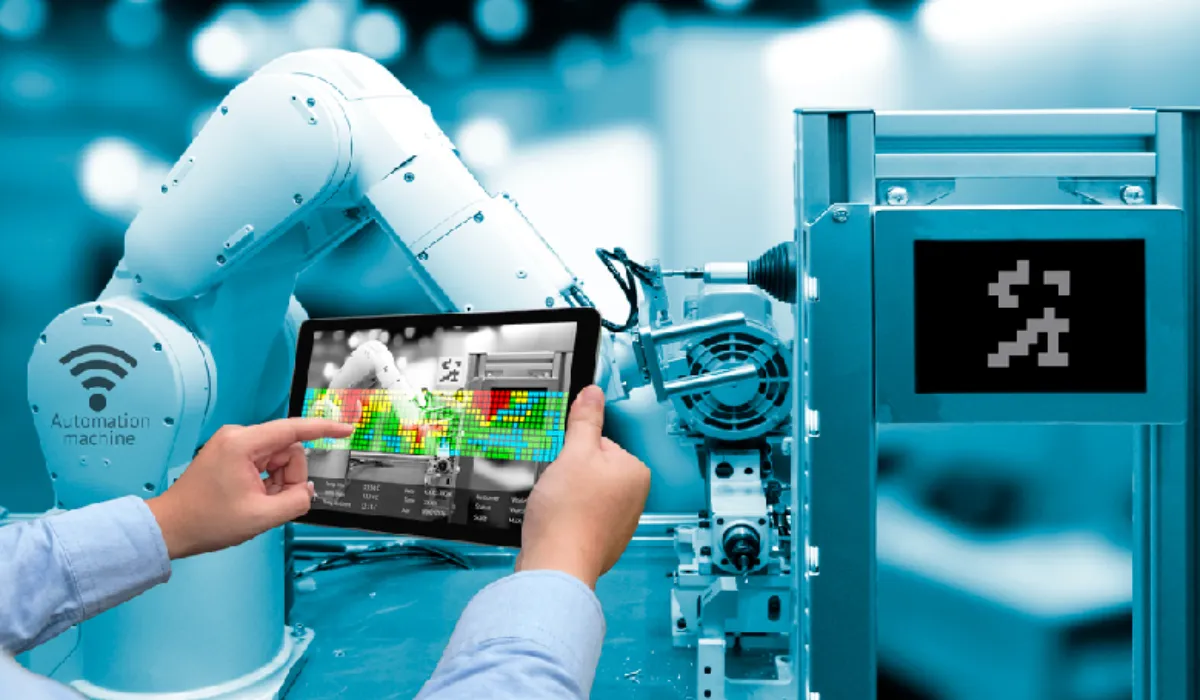
Overcoming Challenges in Digital Manufacturing Implementation
Read Time:5 Minute, 8 Second
Through digital manufacturing, industries attain improved efficiency while lowering costs and achieving superior product quality. Through the deployment of the Internet of Things (IoT) alongside artificial intelligence (AI) and robotic systems, manufacturers achieve operational optimization that fuels market competition. Organizations seek to harness digital manufacturing solutions, but they must address multiple challenges to fully obtain the benefits of these implementations. Digital transformation requires successful navigation of these barriers to integrate new technologies while solving existing workforce skills gaps for full digital implementation.
Understanding the Challenges of Digital Manufacturing Implementation
Industry-wide adoption of smart factories alongside data-based decision-making processes presents multiple barriers that restrict the incorporation of digital manufacturing methods. Some of the key challenges include:
1. Integration with Legacy Systems
Most manufacturers operate with antiquated systems that do not contemplate digitalization. To shift from conventional manufacturing practices into interconnected smart systems, businesses must dedicate substantial resources combined with enlightened strategy development.
Solution:
- Examining existing infrastructure in detail helps detect. management weaknesses.
- A step-by-step strategic deployment of digital solutions should be used to bring integration without creating operational disruption.
- A combination of middleware technology should enable the integration of legacy systems with digital platforms.
2. High Initial Investment Costs
Digital manufacturing often requires substantial capital investment in new equipment, software, and training programs. Small and medium-sized enterprises (SMEs) may struggle to allocate resources for a full-scale digital transformation.
Solution:
- Adopt a scalable approach by implementing digital manufacturing solutions incrementally.
- Explore funding options such as government incentives and grants.
- Invest in an IISC digital manufacturing course to gain strategic insights into cost-effective implementation strategies.
3. Data Security and Cyber Threats
The rise in connected manufacturing operations has led to major security concerns about data protection. Cyberattacks cause disruptions that damage operational flow and expose sensitive information while producing major financial consequences.
Solution:
- Manufacturers must establish a complete cybersecurity system that uses firewall technology along with data encryption and multiple authentication prerequisites.
- Employee training alongside regular security audits work to help boost employee security awareness.
- Manufacturers must maintain compliance with data protection standards that apply to their industry.
4. Workforce Skills Gap
Digital manufacturing has created the requirement for employees to obtain the modern technical abilities needed to operate and sustain advanced manufacturing systems and programs. Organizations commonly experience a scarcity of workers who can operate digital tools proficiently.
Solution:
- Your company should provide ongoing training experiences through specific educational programs that include an IISC digital manufacturing program.
- The company should develop an organizational mindset that combines learning with innovation.
- Work closely with educational entities to construct a skilled workforce through curriculum development and talent recruitment programs.
5. Change Management and Resistance
Adopting digital manufacturing requires significant changes in processes, workflows, and mindsets. Employees may resist change due to fear of job loss, lack of understanding, or reluctance to embrace new technologies.
Solution:
- Clearly communicate the benefits of digital transformation to all stakeholders.
- Involve employees in the decision-making process and provide hands-on training.
- Appoint change management leaders to oversee the transition smoothly.
6. Data Management and Utilization
Digital manufacturing generates vast amounts of data from sensors, machines, and production lines. Effectively managing and analyzing this data to derive actionable insights can be challenging for organizations.
Solution:
- Invest in advanced analytics tools and cloud-based platforms for data storage and processing.
- Develop a structured data governance framework to ensure data accuracy and accessibility.
- Leverage AI-driven analytics to optimize production processes and identify improvement areas.
Best Practices for Successful Digital Manufacturing Implementation
To overcome these challenges and ensure a smooth transition to digital manufacturing, organizations should follow a set of best practices:
1. Define Clear Objectives
Business organizations need defined objectives and goals to synchronize their digital manufacturing solutions with their organizational strategic framework. Organizations require a well-defined vision to thrive because unclear goals prevent a company from reaching its potential in efficiency gain, waste reduction, and product quality elevation.
2. Adopt a Phased Approach
Feasible digital solution implementation requires businesses to start by implementing digital solutions through phases instead of completely deploying the system immediately. Pilot projects should begin within targeted areas to let organizations check feasibility and evaluate results while making changes before expansion.
3. Collaborate with Experts
When businesses collaborate with industry experts and academic institutions that offer their digital manufacturing course programs, they receive practical expert insights and achieve better implementation results.
4. Leverage Emerging Technologies
Organizations that integrate the latest technological solutions which include IoT as well as AI and cloud computing, strengthen their production capabilities and build market competitiveness. Strategic adoption of technological progress must be a main initiative for all businesses.
5. Focus on Employee Engagement
Employees function as the critical foundation that underpins digital transformation initiatives. Employee transition becomes smoother due to proper training together with issue resolution and decision-participation opportunities which leads to higher workplace acceptance.
Real-World Examples of Digital Manufacturing Success
Example 1: Automotive Industry
A major automotive producer implemented IoT technology with predictive analytics on production equipment to reduce production stoppages by 20% while raising equipment performance levels. The corporation provided digital professional education to its workers, which paved the way for smooth transitions.
Example 2: Consumer Goods Manufacturing
A consumer goods company implemented automation and AI-driven quality control processes, leading to a significant decrease in defects and faster time-to-market. The company also leveraged a digital manufacturing course to upskill its employees and maximize the benefits of digital adoption.
Example 3: Aerospace Sector
The aerospace manufacturer implemented digital twin technology to optimize their production simulations for better manufacturing process outcomes. The implementation allowed continuous monitoring and predictive maintenance along with cost optimization through optimized resource deployment.
Conclusion
While digital manufacturing offers numerous benefits, its successful implementation requires overcoming several challenges, from integration complexities to workforce readiness. By adopting a strategic approach, investing in the right training programs like an IISC digital manufacturing course, and embracing a culture of innovation, businesses can effectively navigate the transition. The future of manufacturing is digital, and companies that proactively address these challenges will gain a competitive edge, improve efficiency, and drive sustainable growth in an increasingly digital world.

Happy
0 %

Sad
0 %

Excited
0 %

Sleepy
0 %

Angry
0 %

Surprise
0 %
 0
0
 0
0
More Stories

BestLinks AI Vs A Paid Invoice For Listings
Directory owners in India often treat a vendor email as a price check. The mailbox looks harmless because no rupee...

The Problem With Software “Best Of” Lists — And What a Recommendation-First Approach Looks Like Instead
Anyone who has tried to pick a SaaS tool recently knows the drill: open a "Top 10" listicle, find ten...

Create Engaging Visual Stories with AI Tools
Visual storytelling is no longer just for professional movie studios or high budget marketing agencies. Anyone with a computer and...

Listing Photos Fail When Image to Image Invents A Shopfront
Customers still walk to the address on the listing. A local Image to Image update is useful only when the...
Create Better Small-Business Marketing Visuals Without a Full Photo Shoot
A small business can need a surprising number of images in one month: a seasonal post, a directory listing, a...

Managing Battle Pass Content Through Headless CMS Architecture
Battle passes have become a major part of live service game design, giving players a structured way to progress through...