
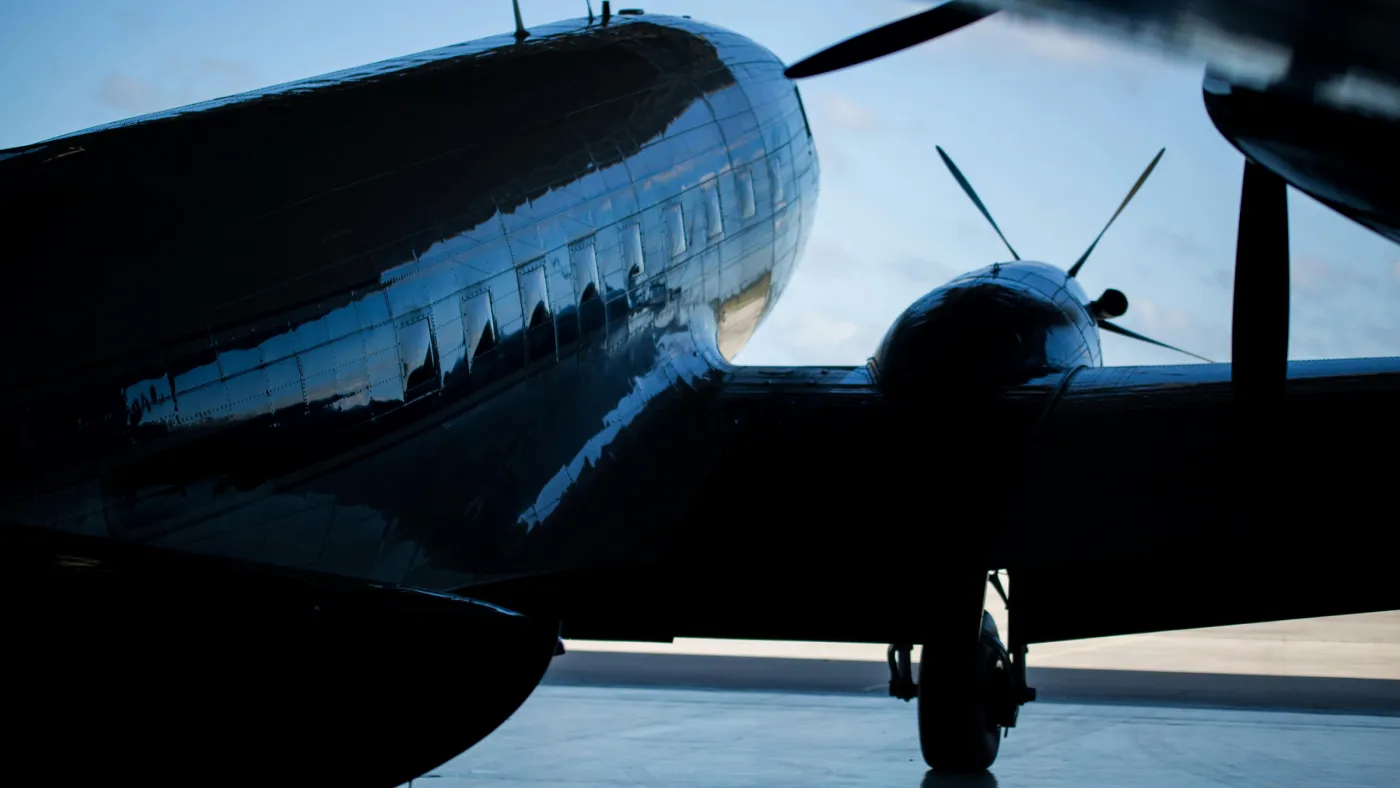
Aircraft Systems Made Simple
Read Time:4 Minute, 28 Second
Modern aircraft represent some of the most complex machine’s humanity has ever created, yet understanding their fundamental systems doesn’t have to be overwhelming. Whether you’re a pilot, maintenance technician, aviation student, or simply an enthusiast, grasping how aircraft systems function is essential for safe operation and effective troubleshooting. This guide breaks down the primary aircraft systems into digestible concepts, explaining how each component works together to keep aircraft flying safely and efficiently. Understanding these systems allows aviation professionals to make informed decisions, perform better pre-flight inspections, and develop a deeper appreciation for the engineering marvels that make flight possible. Let’s explore the fascinating world of aircraft systems and demystify the technology that powers modern aviation.
Understanding the Electrical Power System
The electrical system serves as the nervous system of modern aircraft, powering everything from navigation lights to sophisticated avionics displays. Most aircraft utilize a dual electrical generation system, an alternator or generator driven by the engine, paired with a battery for backup power and engine starting. The alternator converts mechanical energy from the engine into electrical energy, typically producing either 14 or 28 volts depending on aircraft type. A voltage regulator maintains consistent electrical output regardless of engine speed, which prevents damage to sensitive electronic equipment.
The Fuel System Explained
Aircraft fuel systems must reliably deliver clean fuel to the engine under all flight attitudes and conditions while preventing contamination and vapor lock. In high-wing aircraft, gravity-fed systems use simple physics, fuel flows naturally from tanks positioned above the engine without requiring pumps. Low-wing aircraft employ electric fuel pumps to move fuel from tanks to the engine, typically featuring both primary and backup pump systems for redundancy. Fuel selectors allow pilots to choose which tank supplies the engine, and proper fuel management prevents imbalances that could affect handling characteristics.
Hydraulic and Pneumatic Systems
Hydraulic systems multiply force through incompressible fluid, enabling pilots to control heavy flight surfaces with minimal physical effort. These systems typically operate at pressures between 1, 000 and 3, 000 pounds per square inch, providing power for landing gear retraction, brake operation, and flight control actuation in larger aircraft. Hydraulic fluid reservoirs maintain system volume while allowing for thermal expansion, and multiple redundant systems ensure continued operation even if one system fails. Pneumatic systems use compressed air or bleed air from turbine engines to power various aircraft functions, pressurization, air conditioning, and de-icing systems among them.
Oxygen and Pressurization Systems
Supplemental oxygen systems become necessary when flying above 12, 500 feet for extended periods, since atmospheric oxygen decreases with altitude. Continuous-flow systems deliver a constant stream of oxygen regardless of breathing rate, while diluter-demand systems provide oxygen only during inhalation, conserving supply for longer flights. Pressure-demand systems take things further by delivering oxygen under positive pressure at extremely high altitudes, preventing hypoxia when ambient pressure drops critically low. When servicing oxygen systems, maintenance technicians rely on valuable aircraft oxygen filling adapters to safely transfer oxygen from high-pressure storage cylinders to aircraft systems while maintaining proper pressure regulation and preventing contamination. Cabin pressurization systems in turbine aircraft compress outside air to maintain comfortable cabin altitudes even when flying above 30, 000 feet, which reduces passenger fatigue and prevents altitude-related health issues. Outflow valves automatically regulate cabin pressure by controlling how quickly pressurized air escapes, maintaining the pressure differential within safe structural limits. Understanding oxygen system components, pressure requirements, and safety procedures ensures proper maintenance and emergency preparedness for high-altitude operations.
Avionics and Navigation Systems
Modern avionics integrate flight instruments, communication radios, navigation equipment, and automation systems into sophisticated glass cockpit displays. Primary flight displays show attitude, airspeed, altitude, and vertical speed in an intuitive format that reduces pilot workload during instrument flight conditions. Multi-function displays present navigation maps, weather radar, traffic information, and engine parameters on customizable screens that pilots can configure for different flight phases. GPS navigation has revolutionized flight planning and en-route navigation, provided precise position information and enabled direct routing that saves both time and fuel.
Engine and Propulsion Fundamentals
Reciprocating engines power most general aviation aircraft, converting the chemical energy in aviation fuel into mechanical rotation through controlled combustion. The four-stroke cycle, intake, compression, power, and exhaust, repeats continuously, with magnetos providing spark ignition independent of the electrical system for reliability. Carbureted engines mix fuel and air mechanically, while fuel injection systems meter fuel precisely for improved efficiency and reduced maintenance requirements. Propellers convert engine rotation into thrust by creating a pressure differential between their forward and aft surfaces, essentially acting as rotating wings.
Conclusion
Aircraft systems work in concert to create safe, efficient flight operations, and understanding their fundamental principles empowers aviation professionals to operate and maintain aircraft effectively. From electrical generation to propulsion, each system has been refined through decades of engineering advancement and operational experience to provide remarkable reliability. Breaking complex systems into understandable components and functions allows pilots and technicians to troubleshoot problems methodically and make informed decisions under pressure. Regular study and hands-on experience with these systems builds the knowledge foundation necessary for advancing in aviation careers and maintaining the highest safety standards. Whether you’re pursuing a pilot certificate, working toward an airframe and powerplant license, or simply fascinated by aviation technology, mastering these fundamental systems opens doors to deeper understanding and greater proficiency in the aviation field.

Happy
0 %

Sad
0 %

Excited
0 %

Sleepy
0 %

Angry
0 %

Surprise
0 %
 0
0
 0
0
More Stories

How to Manage Flights, Hotels, and Expenses for Corporate Trips
A corporate journey rarely goes wrong because someone forgot to book a flight. More often, trouble begins when small details...

Why AI Image Generators With Image Upload Support Are Becoming Essential
Text-only AI image generation is impressive, but for businesses it quickly hits a ceiling. A prompt can create a beautiful...

Best Cloud Phones for Managing Multiple Business Accounts
Managing multiple business accounts can become difficult when a company depends entirely on physical smartphones. Social media teams, marketing agencies,...

How Industry-Specific Digital Marketing Drives Growth for Dental, Medical Tourism and Fashion Brands
The key focus of every industry in the present world is to have a distinct digital marketing strategy. Without that,...

BestLinks AI Vs A Paid Invoice For Listings
Directory owners in India often treat a vendor email as a price check. The mailbox looks harmless because no rupee...

Flying from Hyderabad to Jaipur? Here Is What You Need to Know
Hyderabad to Jaipur is not a long-haul route, but the journey can take considerably longer than the distance suggests because...