
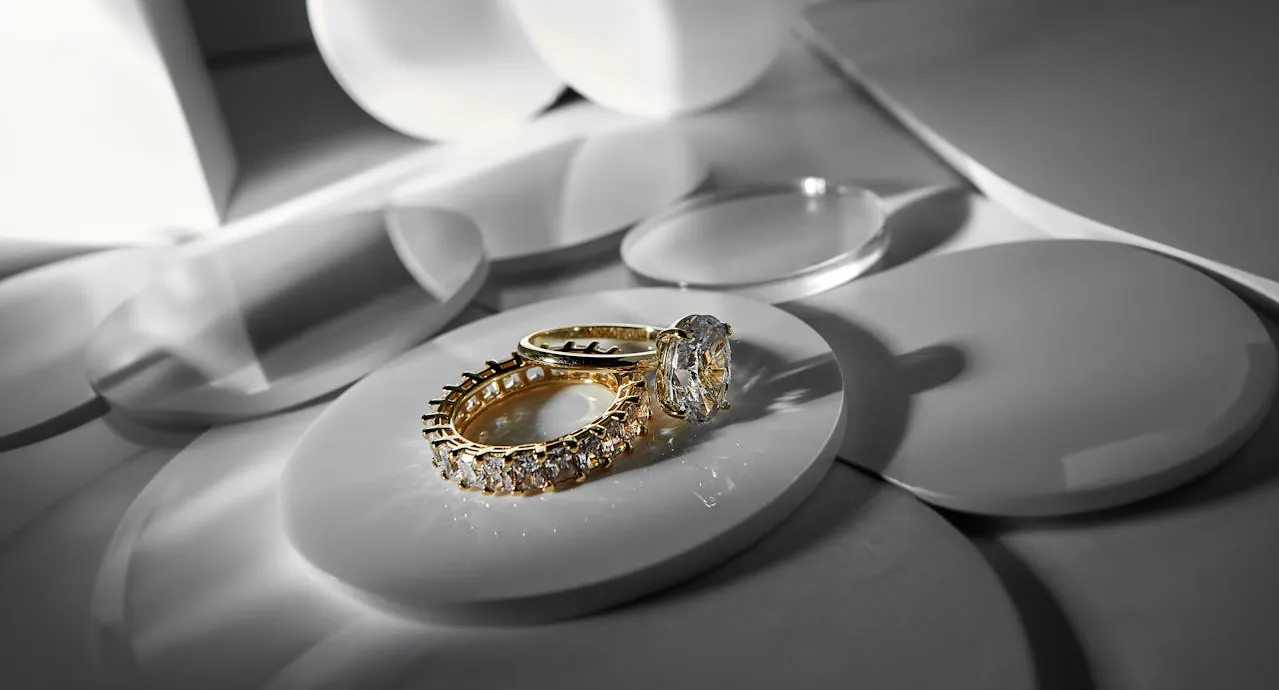
Here’s what families need to know before buying jewellery
Read Time:3 Minute, 4 Second
Buying jewellery in India is always associated with savings, culture, and future gains. For families, buying such an accessory does not simply mean a purchase, but rather a financial commitment. A wrong choice may result in losses in the future, specifically in the resale and exchange process. There are some important things that one needs to know.
1. Set the purpose clearly
The first point to consider is clarity. Jewellery has multiple purposes, and each purpose requires a different focus.
For daily use, comfort and durability are the top concerns. When the jewellery is used only on special occasions, like marriages, then visual appeal and design become the most important aspects.
However, when the aim is storing wealth, purity and resale value become more relevant. Do consider all factors at once while buying jewellery.
2. Verify gold purity and certification
Purity of gold affects its value. 22-carat gold is commonly used to make jewellery in India. Although 24-carat gold is pure, it is very soft and unsuitable for jewellery.
Make sure that the gold is hallmarked by BIS. The hallmark indicates the purity of the metal and includes information such as carats, hallmark symbols, and unique numbers.
3. Follow gold rate trends
Gold is a global commodity whose local price depends on its international price, fluctuations in the value of the currency, and demand.
It is always wise to verify the gold price today before any purchase. You may also observe that the prices of gold vary at different places. For instance, the gold price in Pune may be slightly different from the prices in other cities because of local taxes. Although the variation seems minimal per gram, it becomes significant when you purchase large amounts of gold.
4. Analyse making charges carefully
This is where most purchasers get confused. Making charges are not standardised throughout the industry; they vary according to:
- Design complexity
- Use of machinery versus manual labour
- Brand positioning
Most jewellers secretly mark up their making charges on light jewellery, which makes the cost-per-gram of the jewellery high. For fair comparison, one must use the effective gold price by adding the cost of making per gram. It gives a better view rather than just using the price tags.
5. Check net gold weight
Buyers tend to concentrate on the weight only, but not on the composition.
Jewellery usually consists of:
- Gold
- Stones
- Metal frameworks
When the stone weight is counted along with the gold cost, then you pay the gold rate for non-gold material.
It is always advisable to request an invoice detailing:
- Net gold weight
- Stone weight separately
- Rate applied per gram
This is a simple step, but it prevents long-term value loss.
6. Understand buyback and exchange terms
Different jewellers have various policies for buy-back. While some offer near-full value for the gold, others deduct on the basis of purity, wastage, or invoice. Check the buy-back percentage and exchange policy before buying.
7. Evaluate stone and diamond jewellery separately
Valuation standards for diamonds and stones are unique compared to gold. The resale value of stones and diamonds is limited and is affected by quality and certification. When choosing diamond jewellery, make sure they are properly certified.
8. Choose a trusted seller
A good reputation is essential for jewellery shopping. Reputed jewellers have higher chances of offering the right purity, correct billing process, and good buyback facilities.
Conclusion
Jewellery purchasing is not only about aesthetics; it is about retaining value. Family members who focus on purity, transparent pricing, making charges, and resale clarity avoid unnecessary overpayments. A systematic comparative analysis among various jewellers yields better and more stable results.

Happy
0 %

Sad
0 %

Excited
0 %

Sleepy
0 %

Angry
0 %

Surprise
0 %
 0
0
 0
0
More Stories

From Personal Style to Home Fitness: Building a Lifestyle That Fits You
A coworker of mine spent years chasing whatever fitness trend was popular that month. Spin classes, then CrossFit, then some...

Best Sunscreen in India: Top Dermatologist-Recommended Picks
Even with a lot of options for sunscreen sitting on the shelf, you may still wonder why your skin keeps...
Why Moissanite Is Becoming a Serious Choice for Modern Engagement Rings
Engagement ring buyers today have more options than ever before. Natural diamonds remain important to many couples, while lab-grown diamonds...

Can You Build Muscle Without Lifting Heavy?
To build muscles, you don’t always need heavy weights. Maybe you are new to strength training, working out at home,...
Latest Sharara Suits Online That Are Perfect for Weddings & Festivities
Some outfits have that touch of magic to make all celebrations more memorable. The latest Sharara suits available online combine...

5 Everyday Mistakes That Steal Your Skin Glow
Has your skin lost its natural glow despite following a skincare routine? Is it about expensive products? It’s clear answer...