
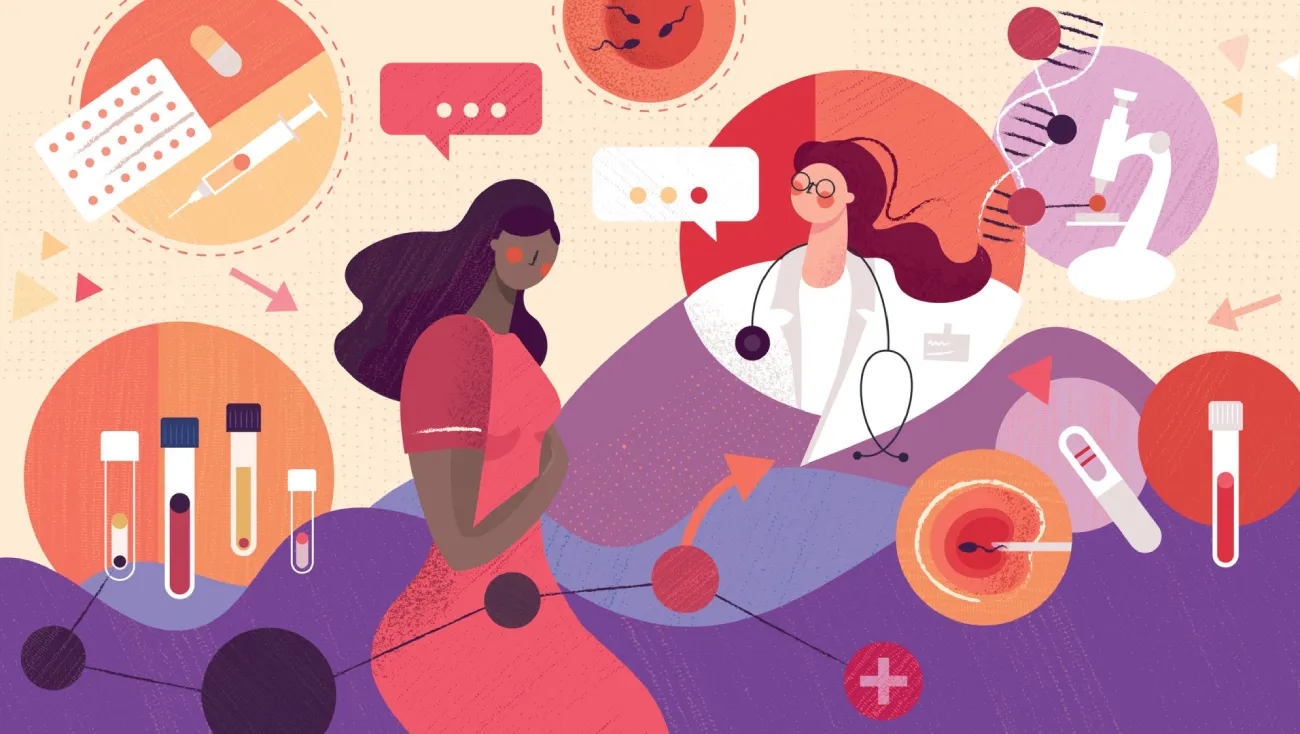
7 Lifestyle Changes to Improve Fertility Naturally
Read Time:3 Minute, 31 Second
For couples planning to conceive, improving fertility often begins with a focus on overall health. Lifestyle factors play a significant role in reproductive health, and small adjustments can make a big difference. By adopting healthier habits, you can enhance your chances of conceiving naturally while supporting your overall well-being. Here, we discuss seven lifestyle changes that can positively impact fertility.
Prioritize a Balanced, Nutrient-Rich Diet
What you eat has a profound effect on your fertility. Incorporating a balanced diet rich in fruits, vegetables, whole grains, lean proteins, and healthy fats can support reproductive health. Nutrients like folic acid, zinc, and antioxidants play a vital role in egg and sperm quality. Avoid highly processed foods, excessive sugar, and unhealthy fats that may contribute to hormonal imbalances. Including fertility-boosting foods like leafy greens, avocados, and nuts can further enhance your chances of conception.
Maintain a Healthy Weight
Body weight significantly influences fertility. Being underweight or overweight can disrupt hormonal balance, affecting ovulation and sperm production. For women, a healthy body mass index (BMI) supports regular menstrual cycles, while for men, it improves sperm quality. If you’re trying to conceive, focus on achieving and maintaining a healthy weight through a combination of a balanced diet and regular exercise. Consulting a healthcare professional or nutritionist can help you set realistic goals tailored to your needs.
Manage Stress Levels
Chronic stress can negatively impact fertility by interfering with hormone production and reducing libido. High levels of cortisol, the stress hormone, can suppress the reproductive system. Practicing relaxation techniques such as yoga, meditation, or deep breathing can help manage stress effectively. Engaging in hobbies, spending time in nature, or seeking support from a counselor can also provide emotional relief. Reducing stress not only enhances fertility but also prepares you for the challenges of pregnancy and parenthood.
Exercise Moderately
Regular physical activity is essential for maintaining overall health, but it’s important to find a balance. Excessive or intense exercise can disrupt ovulation and lower sperm quality, while a sedentary lifestyle may contribute to weight gain and poor circulation. Aim for moderate-intensity activities like walking, swimming, or yoga, which promote blood flow to reproductive organs without overstraining your body. Consistency is key; 30 minutes of moderate exercise most days of the week can significantly improve your fertility health.
Avoid Harmful Substances
Smoking, excessive alcohol consumption, and recreational drug use can all have detrimental effects on fertility. Smoking reduces egg quality, disrupts ovulation, and damages sperm, while alcohol can alter hormone levels and impair reproductive function in both men and women. Eliminating these substances is crucial when trying to conceive. Additionally, limit caffeine intake to moderate levels, as excessive consumption has been linked to fertility issues. By avoiding these harmful substances, you create a healthier environment for conception.
Optimize Sleep Patterns
Quality sleep plays a vital role in hormone regulation, which directly impacts fertility. Disrupted sleep patterns or insufficient rest can interfere with the production of reproductive hormones like estrogen and testosterone. Aim for 7-9 hours of sleep each night and maintain a consistent sleep schedule. Create a relaxing bedtime routine by limiting screen time, avoiding heavy meals before bed, and ensuring your sleep environment is comfortable. Restful sleep supports overall health and improves your body’s readiness for conception.
Schedule Regular Check-Ups
Proactively addressing health concerns can significantly enhance fertility. Regular medical check-ups allow your doctor to identify and treat any underlying issues that may affect your ability to conceive. For women, this may include managing conditions like polycystic ovary syndrome (PCOS) or endometriosis, while for men, it may involve addressing low sperm count or motility. Your doctor may also recommend prenatal vitamins or supplements to support reproductive health. Staying on top of your medical care is an essential step in your fertility journey.
Making lifestyle changes to improve fertility naturally not only enhances your chances of conceiving but also promotes long-term health. By focusing on nutrition, managing stress, maintaining a healthy weight, and avoiding harmful substances, you create a solid foundation for a healthy pregnancy. These adjustments require commitment, but the rewards of improved well-being and the potential for starting or growing your family make the effort worthwhile.

Happy
0 %

Sad
0 %

Excited
0 %

Sleepy
0 %

Angry
0 %

Surprise
0 %
 0
0
 0
0
More Stories

Can You Build Muscle Without Lifting Heavy?
To build muscles, you don’t always need heavy weights. Maybe you are new to strength training, working out at home,...

How to Speed Up Recovery After Dental Surgery
Dental surgery knocks you flat. You're home, sore, maybe still foggy from the anesthesia, and the discharge sheet feels more...

What Should You Eat in the Morning to Reduce Belly Fat?
For many people, belly fat is the first to show up and the last to leave. For losing this fat,...

How HR Can Help Employees Balance Work and Family Health Challenges
Family health crises don't stay home when employees clock in. The stress bleeds through — into concentration, into deadlines, into...

AI Personalizes Term Insurance Plans for Indian Women
Life gives us beautiful moments but also times when we worry about what lies ahead. We all desire to keep...

How to Be There for a Loved One Without Overwhelming Them After a Cancer Diagnosis
When someone you care about receives a cancer diagnosis, your first instinct may be to do everything possible to help....