
7 Pet Carrier Mistakes That Can Make Traveling With Cats and Dogs More Difficult
Read Time:2 Minute, 38 Second
A trip to the veterinarian, a weekend drive, or a visit to family can be exciting for pet owners but unfamiliar for cats and dogs. A carrier helps make transportation manageable, yet even a good-looking bag can cause frustration if it does not suit the animal or the journey.
Before buying new travel gear, it is worth looking at the mistakes that often turn a simple outing into a stressful experience.
1. Choosing by Weight Alone
A carrier rated for a 15-pound pet will not necessarily fit every 15-pound animal. Body length, height, and the ability to settle naturally matter too. Measure your pet and compare those measurements with the usable interior dimensions, not just the number printed on the product listing.
2. Overlooking Airflow
Poor ventilation can make a confined space uncomfortable, especially in warm weather. Look for well-positioned mesh panels or ventilation openings that remain unobstructed when the carrier is in use. Monitor your pet for signs of overheating and never leave them unattended in a parked vehicle.
3. Picking a Style That Does Not Fit the Trip
A lightweight backpack may work for a short walk, while a soft-sided carrier can be more convenient for some everyday appointments. Airline travel introduces separate size and design requirements that vary by carrier and route. For a more complete comparison, this guide on how to choose a pet carrier explains the main factors to review before purchasing.
4. Introducing the Carrier at the Last Minute
For a nervous cat or dog, seeing an unfamiliar bag immediately before departure may create resistance. Leave the carrier open at home and allow your pet to explore it voluntarily. A familiar blanket and short, positive practice sessions can help make the experience less surprising.
5. Ignoring the Owner’s Comfort
Straps that dig into your shoulders or awkward openings can make repeated trips difficult. Check how the carrier distributes weight, whether you can lift it safely, and how easily you can reach your pet without creating an escape opportunity.
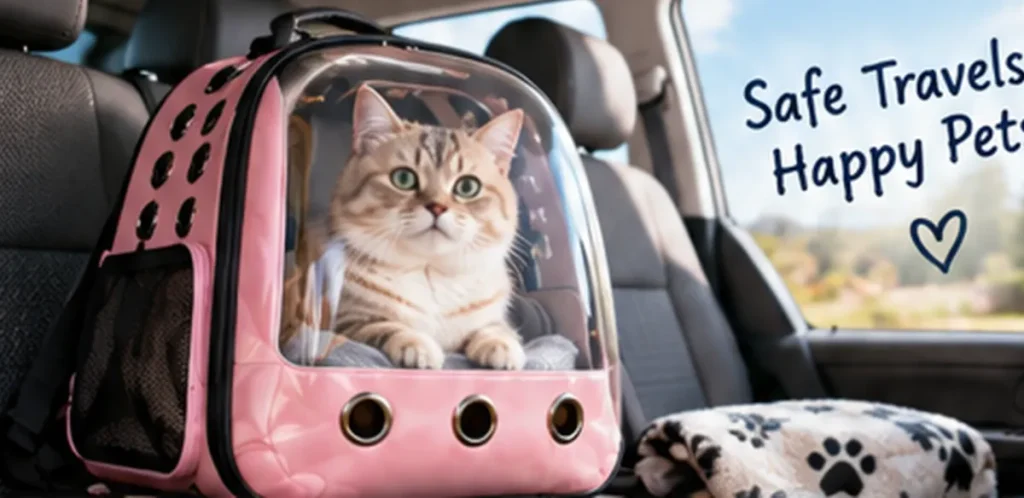
A familiar carrier and a calm introduction can make routine travel easier for a cat.
6. Assuming Every Carrier Is Suitable for Car Travel
A carrier is not automatically crash-tested or designed to function as a vehicle restraint. Follow the product manufacturer’s instructions and use an appropriate travel safety setup. Avoid placing a loose carrier where it could slide or tip during sudden braking.
7. Forgetting to Check Wear and Tear
Before every outing, inspect seams, zippers, handles, straps, and mesh. A small tear or failing closure can become a serious problem when a frightened animal pushes against it. Clean the carrier as directed and replace damaged equipment rather than relying on a temporary repair.
Build a Travel Routine That Works for Your Pet
The most useful carrier is one that suits your animal’s measurements, temperament, and real travel needs. A little planning, gradual familiarization, and regular safety checks can make ordinary outings more predictable for everyone.
For more everyday pet-care and travel ideas, explore Fur Friend Cares and build a routine around your companion’s comfort rather than the latest travel trend.

Happy
0 %

Sad
0 %

Excited
0 %

Sleepy
0 %

Angry
0 %

Surprise
0 %
 0
0
 0
0
More Stories

The Ultimate Guide to Maintaining a Healthy Garden Year-Round
A thriving garden doesn't just happen. Consistent attention is the price — season after season, through blistering heat and hard...

Water Damage Risks Every Commercial Property Should Address
Here's the thing about water damage — it doesn't wait. Hidden inside walls, lurking beneath flooring, it compounds silently until...

What Students Gain Beyond the Canvas in Art Class
Art class is often thought of as a creative outlet — a place where students learn to draw, paint, or...

When Energy Healing Supports Psychology with Spiritual Growth
There are moments in life when the familiar language of analysis and diagnosis feels insufficient. Not incorrect, but incomplete. The...

Finding A Lawyer to Help You Advocate for Yourself
Understanding Your Legal Rights and When Professional Help Is Essential Navigating the legal system can feel like trying to read...

How to Choose a Lawyer and What to Expect from the Legal Process
Legal trouble hits differently when it's yours. Suddenly, you're staring at questions you've never had to answer before. Who can...