
How to Speed Up Recovery After Dental Surgery
Read Time:3 Minute, 39 Second
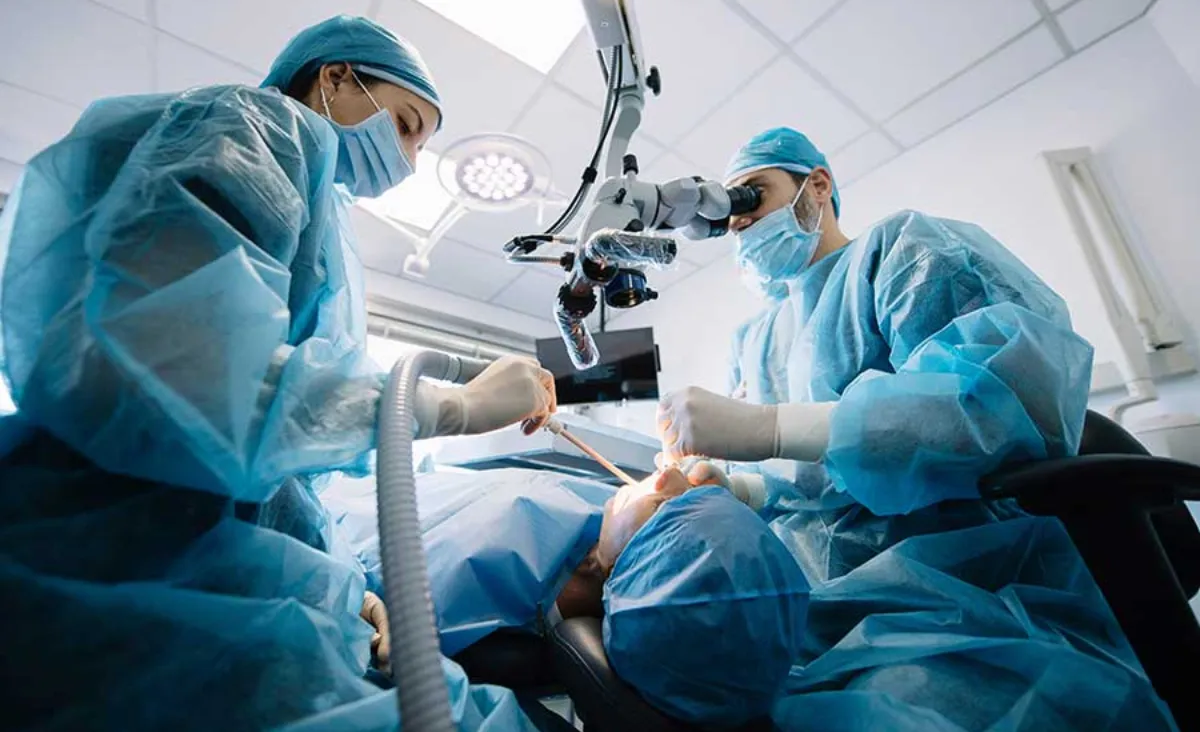
Dental surgery knocks you flat. You’re home, sore, maybe still foggy from the anesthesia, and the discharge sheet feels more like a legal disclaimer than actual guidance. Extraction, implants, periodontal work — the name on the procedure changes. The stakes don’t. Those first hours? They shape everything that follows. Your body’s already running the repair program; your job is to stay out of its way. Make the right early calls and you’ll be chewing real food — talking without flinching — days sooner than you’d expect.
Manage Pain and Swelling in the First Few Days
That first 48 to 72 hours is the whole game. Ice pack against the cheek — 15 to 20 minutes on, same off — and you blunt the swelling hard during that stretch. Don’t wait for the pain to build before medicating. Ibuprofen or acetaminophen taken early keeps the edge off; chasing a spike once it’s already crested? That’s a losing battle. If your procedure warranted something stronger, your surgeon prescribed it — use it as directed. After that 72-hour window closes, ditch the ice and switch to warm compresses on any stubborn puffiness. Warmth pulls circulation back into the tissue, nudging repair along. And keep your head elevated while you sleep. Lying flat lets fluid pool. That pooled fluid becomes tomorrow’s swelling — the preventable kind.
Follow Dietary Guidelines to Support Healing
People underestimate food. The first week runs on soft options — yogurt, applesauce, mashed potatoes, scrambled eggs, smoothies. Nothing requiring actual chewing. Hot food and hot drinks are out for at least the first 24 hours; heat disrupts the blood clot sitting in the socket, and that clot is doing critical, invisible work right now. Hard, crunchy, sticky, spicy — all of it can aggravate the site or trigger fresh bleeding. Cool water and cold drinks are fine. Hydrating without the heat risk. As comfort improves, test slightly more textured options. But get your dentist’s actual clearance before calling your diet back to normal.
Maintain Proper Oral Hygiene Without Disturbing the Site
Here’s the tension nobody warns you about. Your mouth needs cleaning. But aggressive cleaning wrecks the healing site. For the first full 24 hours, skip rinsing, spitting, and mouthwash entirely — those motions can yank the blood clot loose and push your recovery back by days. After that window passes, try this instead: gentle warm salt water rinses, a few times daily, especially right after eating. Bacteria cleared. Tissue left alone. Use a soft-bristled brush. Steer completely clear of the surgical area until your dentist explicitly says otherwise. Some providers recommend an antimicrobial rinse to cover the gap while direct brushing stays off-limits. More effort than your usual routine? Yes. Worth it anyway.
Rest and Activity Modifications Support Tissue Healing
Rest isn’t optional. Strenuous exercise, heavy lifting, anything that spikes your heart rate or blood pressure — off the table for at least three to five days. Elevated pressure raises bleeding risk at the site. Light walking is fine. But the moment you spot fresh bleeding, new swelling, or pain that’s climbing instead of dropping, stop immediately. Patients undergoing wisdom teeth extraction in Chino Hills CA rely on detailed post-operative activity guidelines to ensure proper clot formation and reduce the risk of complications during the critical first days of healing.
Desk work is usually fine within a couple of days — provided the job doesn’t involve lifting or extended talking. Your specific timeline depends on procedure complexity. Smoking and alcohol both need to disappear during recovery; they interfere with clot formation and actively slow tissue repair. Sleep more than feels necessary. Give yourself genuine permission to do nothing. Those deliberate adjustments — a few days of truly taking it easy — can shave real time off the total recovery window.
Conclusion
Honestly? Recovery mostly comes down to how seriously you treat the post-operative instructions. Control swelling early. Eat the right foods. Keep your mouth clean without disturbing the site. Rest. None of it is complicated — but skip even one piece and your timeline stretches considerably. Most people see real improvement within one to two weeks, though the exact pace varies by procedure and by person. Stay in contact with your dental surgeon. Excessive bleeding, fever, pain that keeps worsening instead of easing — report it immediately. Catch problems early and they stay small. Follow through and you’ll be back to yourself without weeks of unnecessary discomfort dragging the whole thing out.

Happy
0 %

Sad
0 %

Excited
0 %

Sleepy
0 %

Angry
0 %

Surprise
0 %
 0
0
 0
0
More Stories

Can You Build Muscle Without Lifting Heavy?
To build muscles, you don’t always need heavy weights. Maybe you are new to strength training, working out at home,...

What Should You Eat in the Morning to Reduce Belly Fat?
For many people, belly fat is the first to show up and the last to leave. For losing this fat,...

How HR Can Help Employees Balance Work and Family Health Challenges
Family health crises don't stay home when employees clock in. The stress bleeds through — into concentration, into deadlines, into...
AI Personalizes Term Insurance Plans for Indian Women
Life gives us beautiful moments but also times when we worry about what lies ahead. We all desire to keep...

How to Be There for a Loved One Without Overwhelming Them After a Cancer Diagnosis
When someone you care about receives a cancer diagnosis, your first instinct may be to do everything possible to help....

Is Your Jaw Clicking? Understanding the 6 Early Signs of TMJ Disorder!
Introduction You may occasionally notice a clicking or popping sound while yawning and opening your mouth wide. At first, this...