
How DFT Analysis Improves PCB Testing and Product Reliability
Read Time:5 Minute, 23 Second
Every hardware founder wants to move from prototype to production without delays. But many electronic items have issues after the initial production batch. The board passes functional tests, but fails in the field. The modest design issue escalates into an expensive PCB redesign. The appearance of problems late in the production schedule causes a delay.
These situations often have one common cause. The design was created without enough focus on testability. Building a reliable product is not only about good engineering. It is also about making every board easy to inspect, test, and validate before it reaches the customer.
This is where DFT analysis plays an important role. It helps engineering teams identify testing challenges during the design stage instead of after manufacturing begins.
Why Testing Starts Long Before Production
Many teams treat testing as the final checkpoint before shipping. In reality, testing starts while the PCB layout is still under development.
Modern electronic devices use complex circuits, fine-pitch components, multi-layer printed circuit boards, and embedded systems. As technology shrinks, physical access for testing becomes difficult.
Manufacturers without adequate planning have problems getting access to test points, validating signals, or finding faults when assembling PCBs. The testing process will become lengthy, and there will be an increase in production costs.
By incorporating DFT analysis at an early stage of the design process, you will increase testability and prevent any unpleasant surprises in the manufacturing phase.
What Is DFT Analysis?
Design for Testability, commonly known as DFT, is an engineering practice that ensures a PCB is easy to inspect and test throughout manufacturing.
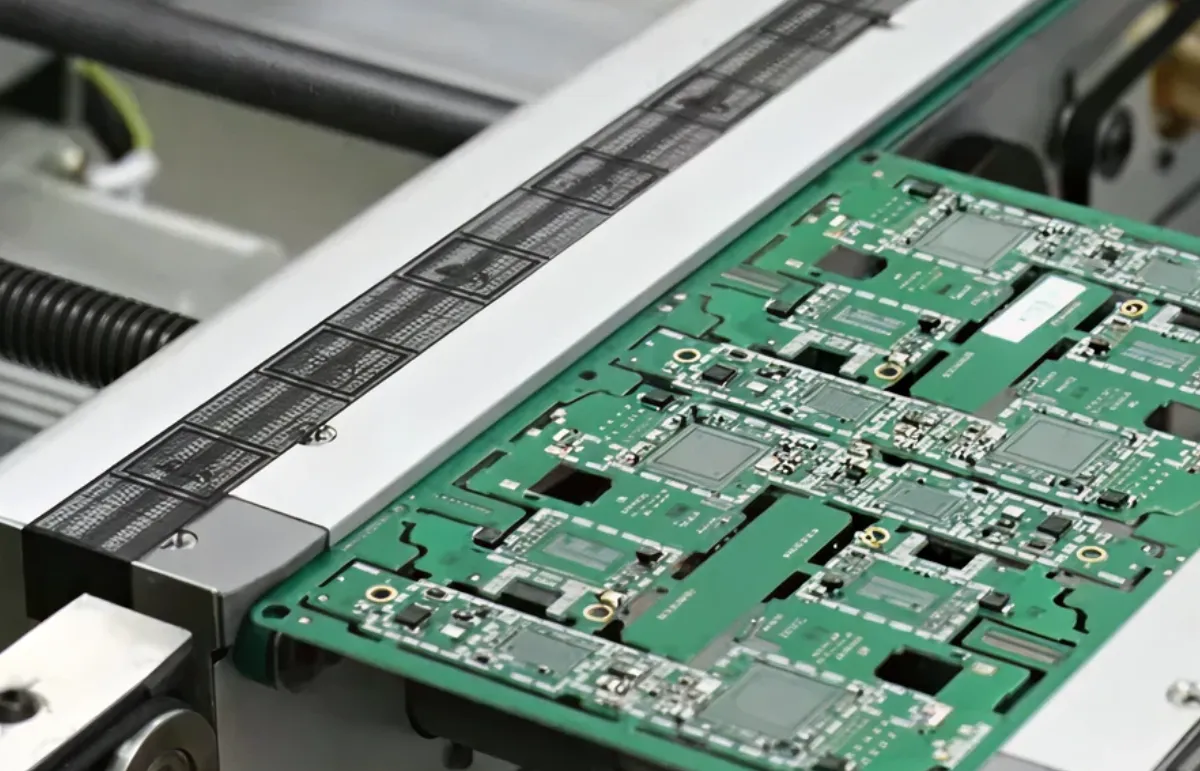
Rather than changing the product’s functionality, DFT focuses on improving accessibility for electrical testing, in-circuit testing, flying probe testing, and automated optical inspection.
A thorough DFT analysis reviews several factors, including:
- Test point placement
- Component spacing
- Signal accessibility
- Probe clearance
- Connector availability
- Manufacturing constraints
The goal is simple. Make defects easier to detect before products leave the factory.
How Better Testability Improves Product Reliability
Consistent production ensures the reliability of a product.
Consider an industrial controller about to go into mass production. One resistor arrangement is not conducive to good probe access, resulting in missed intermittent solder faults by technicians. Those concealed flaws often pop up after installation, resulting in hefty warranty claims.
By placing emphasis on DFT analysis while designing the PCB, these problems are detected prior to fabrication and thus result in quicker testing procedures, enhanced fault isolation, and consistent quality from each production run.
This also facilitates quick detection of root causes of failures since the engineers are already aware of the entry points to the board.
The Connection Between Manufacturing and Supply Chains
Testing problems do not stay inside the engineering department. They affect procurement, manufacturing schedules, and customer deliveries.
Constant PCB redesigns may need updated BOMs, new sourcing, and more production planning. Every delay puts strain on electronics supply chain management, especially when crucial components have long lead periods.
A design that is easy to test reduces unexpected engineering changes. This improves production predictability and helps procurement teams maintain stable sourcing plans.
For growing hardware companies, design quality and supply chain performance are closely connected.
Practical Steps to Improve Testability
Many testing problems can be avoided by following an organized design procedure. Pay attention to the following five aspects to ensure product quality and minimize manufacturing risks.
- Introduce Test Points Early: Include enough test points for all critical signals while designing the PCB. This will facilitate quick electrical testing and fault isolation.
- Maintain Proper Component Spacing: Leave enough clearance around components so inspection systems and test probes have easy access during PCB assembly and validation.
- Review Designs with Manufacturing Teams: Conduct PCB layout reviews with manufacturing engineers before releasing Gerber files. Their feedback often identifies production issues that design teams might miss.
- Integrate DFMA and DFT Analysis: Evaluate manufacturability, assembly, and testability together during every design review instead of treating them as separate activities.
- Validate with Prototype Builds: Before moving into large-scale manufacturing, testing of prototype boards should be done under actual manufacturing conditions. It will help in reducing any defects and increasing first-pass yield.
By adhering to the above practices, debugging can be minimized along with improvement in manufacturing efficiency.
Scaling Hardware Without Increasing Risk
As production volumes increase, even a small defect rate becomes expensive.
Imagine producing 50 prototype boards with a two percent failure rate. The financial impact stays manageable. Scale that same product to 50,000 units, and the costs multiply across repairs, logistics, customer support, and brand reputation.
Strong DFT analysis helps reduce these risks because manufacturing teams spend less time troubleshooting and more time producing consistent boards.
For startups preparing for mass production, this difference often determines whether launch timelines stay on track.
At the same time, stable production processes strengthen electronics supply chain management by reducing emergency procurement, excess inventory, and unexpected production interruptions.
How Elecbits Simplifies Electronics Manufacturing from Design to Scale
Reliable electronics devices involve more than good engineering. They rely on precise coordination of design, procurement, manufacturing, testing, and production. When these functions remain connected, teams are able to solve problems sooner, increase quality, and get items to market more quickly.
As a full-stack electronics product manufacturer, Elecbits serves hardware companies from the engineering and prototyping stages all the way through mass production. What sets Elecbits apart is XOR, its AI-powered platform that delivers real-time supply chain visibility. XOR provides organizations with greater sourcing and production visibility, so teams can stay informed, better coordinate, and make more confident decisions during product development.
Trusted by industry leaders such as Maruti Suzuki, Siemens, Motherson, and Ola Electric, Elecbits brings together engineering know-how and manufacturing excellence to assist hardware developers in managing the risks of product development, enhancing product quality, and improving electronics supply chain management as they scale from prototype to production.
Summary
Electronics devices are becoming smaller, smarter, and more complicated. As this trend continues, the importance of testing will only grow with respect to manufacturing speed.
Companies that incorporate DFT analysis in the design process decrease production problems, improve reliability, and shorten time to market. Improved testability also enables smoother coordination between engineering, manufacturing, and procurement teams, resulting in better electronics supply chain management from prototype through volume production.
The most successful hardware items are rarely identified by the new features. They are built on concepts that are straightforward to manufacture, easy to test, and ready to scale with confidence.

Happy
0 %

Sad
0 %

Excited
0 %

Sleepy
0 %

Angry
0 %

Surprise
0 %
 0
0
 0
0
More Stories

How Industry-Specific Digital Marketing Drives Growth for Dental, Medical Tourism and Fashion Brands
The key focus of every industry in the present world is to have a distinct digital marketing strategy. Without that,...

BestLinks AI Vs A Paid Invoice For Listings
Directory owners in India often treat a vendor email as a price check. The mailbox looks harmless because no rupee...

The Problem With Software “Best Of” Lists — And What a Recommendation-First Approach Looks Like Instead
Anyone who has tried to pick a SaaS tool recently knows the drill: open a "Top 10" listicle, find ten...

Create Engaging Visual Stories with AI Tools
Visual storytelling is no longer just for professional movie studios or high budget marketing agencies. Anyone with a computer and...

Listing Photos Fail When Image to Image Invents A Shopfront
Customers still walk to the address on the listing. A local Image to Image update is useful only when the...

Create Better Small-Business Marketing Visuals Without a Full Photo Shoot
A small business can need a surprising number of images in one month: a seasonal post, a directory listing, a...