
How Secure is Cloud Hosting for Tally, Busy, and Marg?
Read Time:3 Minute, 44 Second
As businesses rapidly transition to digital solutions, cloud hosting has become the preferred choice for accounting software like Tally, Busy, and Marg. However, with the increasing shift to the cloud, security remains a top concern for organizations handling sensitive financial data. Is cloud hosting truly secure for accounting software? This article explores the security features, risks, and best practices to ensure that your financial data remains safe in the cloud.
Understanding Cloud Hosting For Tally, Busy, And Marg
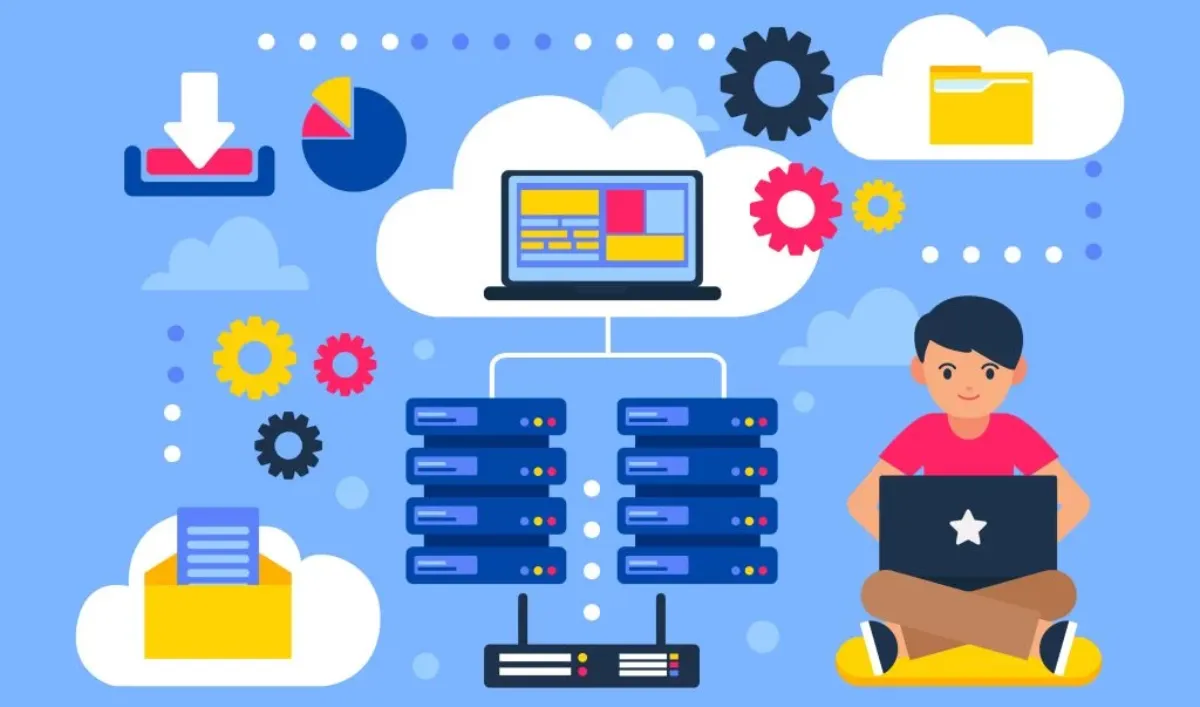
Cloud hosting allows businesses to run their accounting software on a remote server instead of a local computer. This means that users can access their accounts from anywhere, anytime, using any device with an internet connection. Tally on Cloud makes this process even more efficient by offering seamless accessibility, eliminating hardware dependencies, enhancing efficiency, and ensuring seamless collaboration. But does this convenience come at the cost of security? Let’s find out.
Key Security Features of Cloud Hosting
1. Data Encryption: Data encryption is one of the strongest security measures in cloud hosting. Advanced encryption techniques, such as AES-256-bit encryption, ensure that data is converted into unreadable code, making it virtually impossible for hackers to access sensitive financial information.
2. Multi-Factor Authentication (MFA): Cloud hosting services implement Multi-Factor Authentication (MFA) to add an extra layer of security. This ensures that users must verify their identity using multiple authentication methods, such as passwords, OTPs, or biometric verification, before accessing their accounts.
3. Regular Data Backups: Unlike traditional on-premise solutions, cloud hosting providers perform regular backups to protect against accidental data loss, cyberattacks, or system failures. These backups are often stored in geographically distributed data centers, ensuring redundancy and quick recovery in case of data corruption or breaches.
4. Firewall and Intrusion Detection Systems (IDS): Cloud hosting providers deploy advanced firewalls and Intrusion Detection Systems (IDS) to monitor and prevent unauthorized access. These security systems detect suspicious activities in real-time and block potential threats before they can compromise data.
5. Role-Based Access Control (RBAC): With role-based access control, businesses can restrict access to specific users based on their roles within the organization. This minimizes the risk of unauthorized access and ensures that only authorized personnel can modify critical financial data.
6. Secure Data Centers: Reputed cloud hosting providers use Tier-III or Tier-IV data centers that adhere to strict security standards. These facilities are equipped with physical security measures, including biometric access, 24/7 surveillance, and climate-controlled environments, ensuring maximum data protection.
7. Compliance with Industry Standards: Cloud hosting providers comply with global security and data privacy regulations such as GDPR, ISO 27001, and SOC 2. These certifications indicate that the provider follows best practices in data security and risk management.
Potential Security Risks And How To Mitigate Them
While cloud hosting is highly secure, no system is completely immune to risks. Understanding potential security threats and implementing proactive measures can further enhance data protection.
1. Cyber Threats and Hacking Attempts: Cybercriminals constantly attempt to breach cloud servers. However, businesses can mitigate this risk by choosing a reliable hosting provider that uses advanced encryption, firewalls, and AI-driven threat detection.
2. Data Breaches: To prevent data breaches, businesses should implement strong access controls, conduct regular security audits, and train employees on best cybersecurity practices.
3. Phishing Attacks: Phishing attacks trick users into revealing their credentials. Organizations should educate employees about phishing threats and implement email security solutions to detect and block fraudulent emails.
4. Downtime and Service Disruptions: Unexpected downtime can affect business operations. Choosing a cloud provider with a 99.9% uptime guarantee, reliable infrastructure, and failover mechanisms can minimize disruptions.
5. Insider Threats: Not all security threats come from external sources. Insider threats can be minimized by enforcing strictaccess policies, monitoring user activity, and implementing data loss prevention (DLP) solutions.
Why is Hosting Safari the Best Choice for Secure Cloud Hosting?
Choosing the right cloud hosting provider is crucial for ensuring the security of your Tally, Busy, and Marg accounting data. Hosting Safari stands out as a trusted provider, offering the following security advantages:
- End-to-End Encryption: Ensures that your data remains protected during transmission and storage.
- Dedicated Firewalls and Threat Monitoring: Constantly monitors and mitigates potential security threats.
- Automatic Backups: Regularly backs up data to prevent loss due to system failures or cyberattacks.
- 24/7 Technical Support: Provides round-the-clock assistance to resolve security concerns.
- Scalable Solutions: Offers customizable security features based on business requirements.

Happy
0 %

Sad
0 %

Excited
0 %

Sleepy
0 %

Angry
0 %

Surprise
0 %
 0
0
 0
0
More Stories

Payment Infrastructure Challenges for Regulated and High-Volume Businesses in India
Indian businesses that process payments at scale run into a problem their accountants rarely warn them about. A company can...

How Much Term Insurance Coverage Do You Need in India?
Buying life insurance is an important part of financial planning, especially for individuals who have dependents or long-term financial commitments....

How to make ₹1 Cr in 5 years with SIP investment?
Coming from an Indian family, most of us would have certainly heard the age-old money tips: Park your money in...

What is Experian Credit Score and How to Check it?
An Experian credit score is a three-digit number ranging from 300 to 900 that reflects your credit history based on...

Don’t Know How to Manage Your Money? Here’s 6 Expert Tips
Create a Realistic Budget and Track Your Spending Seriously — where does it all go? Pull up your bank statements...

The Educational Importance of Invoice Generators in Modern Business Operations
Introduction Efficient financial documentation is an essential part of every successful business. Whether an organization is a multinational corporation, a...