
How to Recognize the Early Signs of Fatty Liver and Act Fast?
Read Time:5 Minute, 12 Second
Fatty liver disease has become more common than most people realize. The problem is it starts quietly, no pain, no obvious symptoms, nothing that makes you think “I should see a doctor.”
By the time most people find out, the condition has had years to dig in. Some people start looking into options like fatty liver detox tablets once they’re diagnosed, but catching the condition early is what matters most.
What Is Fatty Liver?
Fatty liver is a condition where your liver accumulates fat. Too much fat. There are two types: alcoholic (from drinking) and non-alcoholic (from everything else: diet, weight, sitting around too much).
The liver filters toxins, processes what you eat, keeps your metabolism running. When fat builds up, those functions start breaking down. Left alone long enough, you get inflammation, scarring, eventually cirrhosis.
Think of your liver as a processing plant that runs 24/7. When it gets clogged with fat, it’s like trying to run a factory where half the machinery is jammed. Things still kind of work, but not well. And the longer you ignore it, the more parts break down permanently.
Why Catching It Early Matters?
Fatty liver doesn’t hurt at first. That’s why most people overlook it. You can reverse it if you catch it before the damage sets in, but most people don’t know to look. Once it progresses into inflammation, fibrosis, permanent scarring, you’re managing it, not fixing it.
We have countless queries of people who found out they had fatty liver during routine blood work for something else entirely. They felt fine. No symptoms. Just elevated liver enzymes that made their doctor order an ultrasound. It turns out they’d probably had it for years.
The scary part? If they hadn’t gotten that blood test, they might not have known until it was too late to reverse.
Signs to Watch For
Your body usually sends signals. Subtle ones. Easy to miss or write off as stress or getting older. Fatigue that won’t quit. Not normally tired. The kind where you sleep fine and still feel drained. Your liver handles energy metabolism. When it’s struggling, you feel it.
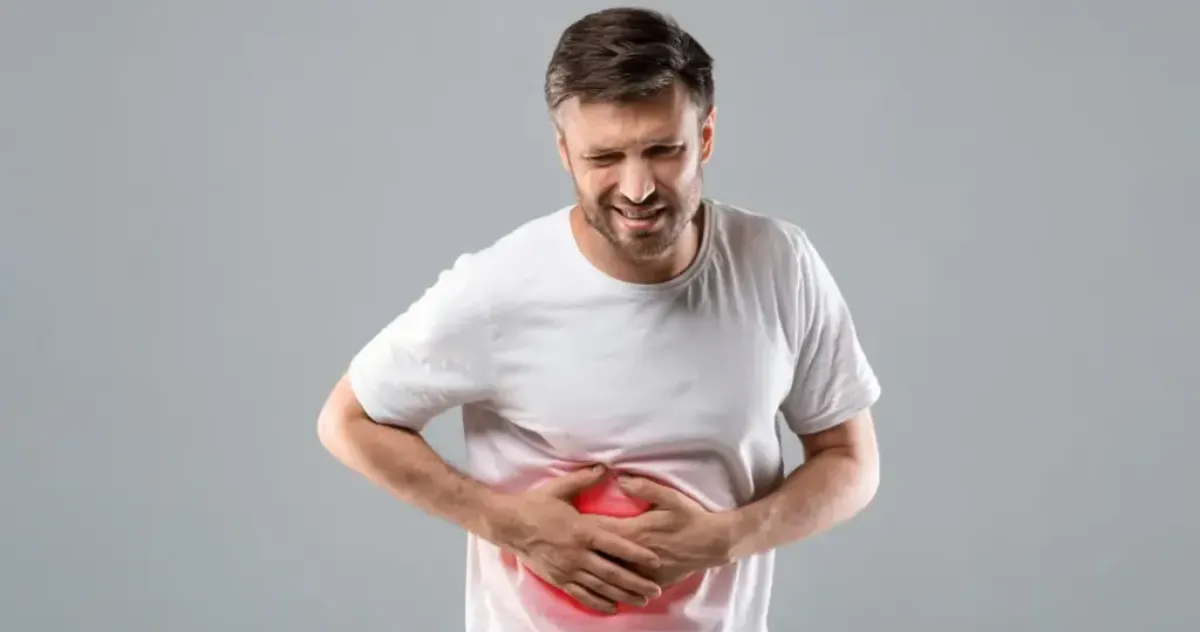
Dull ache in your upper right abdomen. That’s where your liver sits. If it’s inflamed or swollen, you might notice a persistent, vague discomfort there. Not sharp pain. Just a nagging sensation that something’s off.
Weight creeping up, especially around your middle. Belly fat and fatty liver often show up together. Both tie back to insulin resistance. Your body stops responding to insulin properly, stores more fat, and your liver gets caught in the middle.
Not hungry. Or you get full after a few bites. Could be digestive stress, probably liver-related.
Bloating or mild swelling. Some people notice their abdomen feels puffy, especially after eating.
Brain fog. Trouble focusing, forgetfulness, that feeling where you walk into a room and forget why you’re there.
Your liver isn’t clearing toxins the way it should, and that messes with your head. The connection between liver health and mental clarity is real, and it’s one of those things people don’t expect.
Who’s at Risk?
If any of these apply, be more vigilant:
- Overweight or obese
- Type 2 diabetes or insulin resistance
- High cholesterol or triglycerides
- Sedentary lifestyle
- Diet heavy on sugar and processed food
- Drinking too much
The thing about risk factors is that they become worse with passing time. Having one doesn’t guarantee fatty liver, but having three or four? Your odds go way up.
What to Do
If you suspect early fatty liver, you can often reverse it. Not always, but often enough that it’s worth trying.
1. Fix your diet. Whole foods: vegetables, fruit, whole grains, lean protein. Less sugar, fewer refined carbs, less fried stuff. Mediterranean-style eating helps a lot of people. Olive oil, fish, nuts, vegetables. It’s not exotic or complicated.
2. Cut out sugary drinks. Soda, juice, sweetened coffee drinks. Your liver processes fructose, and when you dump too much in too fast, it converts it straight to fat. Liquid sugar is one of the worst offenders.
3. Move more. Exercise reduces liver fat and improves insulin sensitivity. Thirty minutes most days. Walking counts. You don’t need a gym membership or fancy equipment. Just move.
4. Lose weight slowly. Half a kilo to one kilo per week is the safe range. Crash diets backfire and can stress your liver further. Rapid weight loss can actually make fatty liver worse in the short term.
5. Cut back on alcohol. If you drink heavily, stop. If you drink moderately and have fatty liver, at least reduce it. Alcohol is a direct toxin to liver cells, and if your liver is already struggling, you’re adding fuel to the fire.
6. Drink water. It helps. Sounds basic, but dehydration makes everything harder for your liver.
Track your progress. Blood tests, liver function panels, ultrasounds. You need to know if things are improving. Don’t just assume your diet changes are working. Verify.
According to Miduty, lifestyle changes remain the foundation of treatment, though some people also explore supportive options such as liver detox supplements during their recovery.
When to See a Doctor?
Persistent symptoms? High-risk profile? See someone. Blood work and imaging can confirm fatty liver and rule out other problems. You need professional input to make sure you’re not missing something.
Liver disease can mimic other conditions. Fatigue could be thyroid issues. Abdominal discomfort could be digestive problems. You need actual diagnosis, not guesswork.
Can Fatty Liver Shorten Your Life?
Can Fatty Liver Disease Affect How Long You Live? Depends on how early you catch it. Early-stage fatty liver is often reversible and doesn’t necessarily shorten lifespan. Advanced liver disease is different.
Most people can stop or reverse the damage if they act soon enough. That’s the encouraging part. But if it progresses to cirrhosis, you’re looking at serious complications: liver failure, portal hypertension, increased cancer risk.
Bottom Line
Fatty liver sneaks up on people, but it leaves clues. Fatigue, abdominal discomfort, metabolic weirdness. Don’t ignore them.
The earlier you act, the better. Diet, exercise, basic habits: those repair a lot of damage. Don’t wait for symptoms to get serious. By then, you’re playing catch-up instead of prevention.

Happy
0 %

Sad
0 %

Excited
0 %

Sleepy
0 %

Angry
0 %

Surprise
0 %
 0
0
 0
0
More Stories

Can You Build Muscle Without Lifting Heavy?
To build muscles, you don’t always need heavy weights. Maybe you are new to strength training, working out at home,...

How to Speed Up Recovery After Dental Surgery
Dental surgery knocks you flat. You're home, sore, maybe still foggy from the anesthesia, and the discharge sheet feels more...
What Should You Eat in the Morning to Reduce Belly Fat?
For many people, belly fat is the first to show up and the last to leave. For losing this fat,...

How HR Can Help Employees Balance Work and Family Health Challenges
Family health crises don't stay home when employees clock in. The stress bleeds through — into concentration, into deadlines, into...

AI Personalizes Term Insurance Plans for Indian Women
Life gives us beautiful moments but also times when we worry about what lies ahead. We all desire to keep...

How to Be There for a Loved One Without Overwhelming Them After a Cancer Diagnosis
When someone you care about receives a cancer diagnosis, your first instinct may be to do everything possible to help....