
Why Precision Matters in Modern Engineering
Read Time:4 Minute, 37 Second
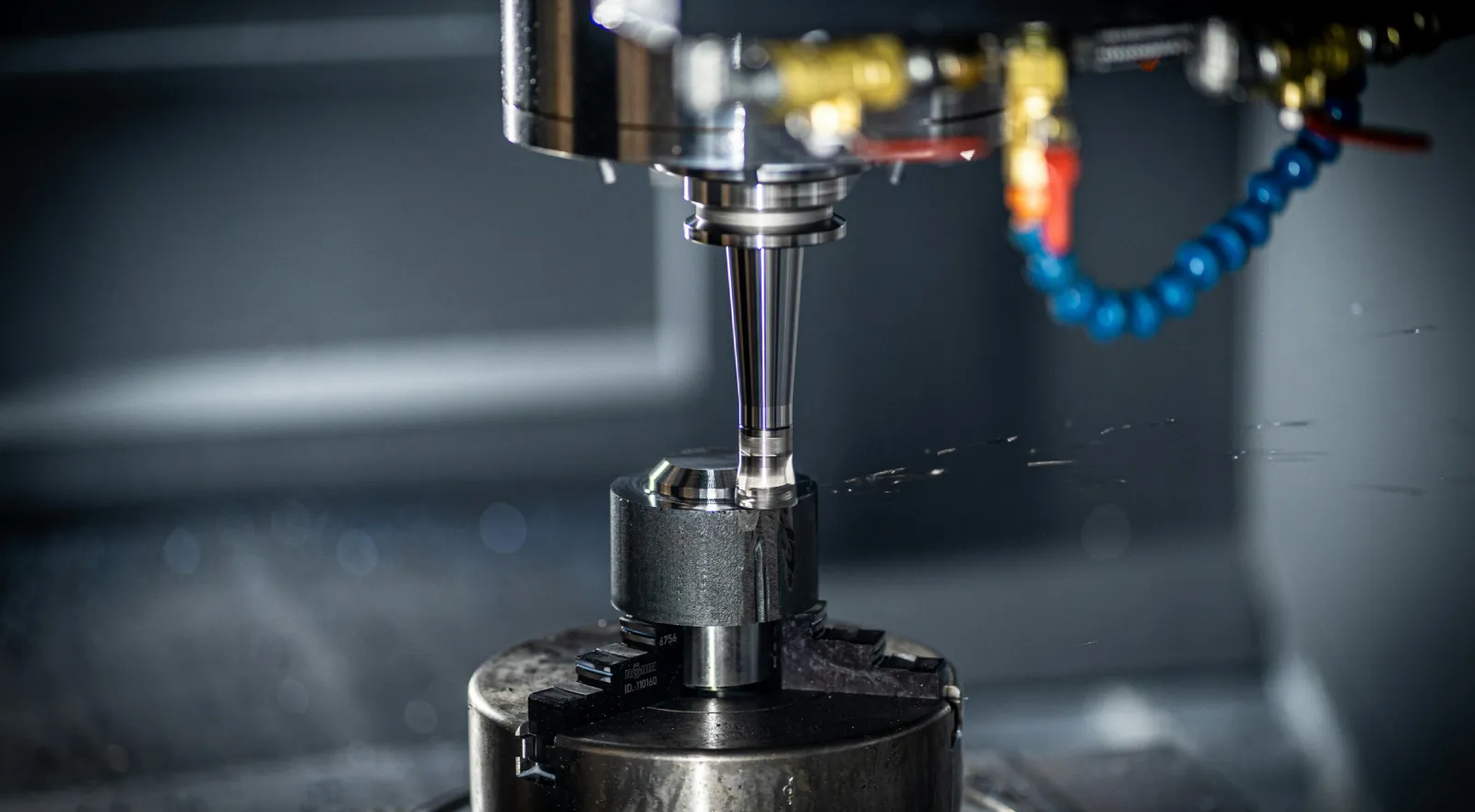
Today’s engineering landscape doesn’t just value precision, it demands it. We’re talking about tolerances measured in micrometers, where fractions of a millimeter can mean the difference between flawless operation and complete failure. What was once simply desirable has become absolutely essential across every engineering discipline, from aerospace to biomedical device manufacturing. As technology races forward and systems grow more intricate, the bar for exactness keeps rising. Engineers now juggle an interesting paradox: achieving unprecedented accuracy while working within tighter deadlines and budget constraints than ever before. To truly grasp why precision has become so critical, we need to explore its fundamental role in safety, functionality, economic success, and innovation throughout the engineering world.
The Foundation of Safety-Critical Systems
When human lives hang in balance, precision engineering becomes the ultimate safeguard. Consider aircraft components, if they’re manufactured outside acceptable tolerances, you’re looking at potential structural failures at 35, 000 feet. Medical implants that deviate even slightly from specifications can trigger tissue rejection or device malfunction inside a patient’s body. The automotive sector has embraced precision manufacturing to guarantee that braking systems, airbag deployment mechanisms, and structural components perform flawlessly under the most extreme conditions. Nuclear facilities depend on precision-engineered containment systems where even minor deviations could compromise radiation shielding or coolant integrity. Then there’s the semiconductor industry, which operates at the nanoscale, here, precision directly translates to processor performance and electrical safety. These applications aren’t just about quality control anymore; they’re about preventing catastrophic outcomes that could cost lives.
Economic Implications of Manufacturing Accuracy
The financial impact of precision engineering reaches far beyond what you initially spend on manufacturing equipment. Products built with high precision show dramatically lower warranty claims, fewer returns, and longer operational lives, all of which boost profitability in meaningful ways. Companies investing in precision capabilities don’t just improve quality; they gain real competitive advantages through enhanced reliability and reduced production waste. Here’s something that can devastate profit margins: the cost of rework and scrapped material from imprecise manufacturing, especially when you’re working with expensive materials like titanium alloys or specialized polymers.
Interoperability and Standardization Requirements
Modern engineering projects rarely happen in isolation; they involve components and systems from multiple manufacturers that need to work together seamlessly. Precision manufacturing ensures that parts produced halfway around the world can be assembled without any modifications, which streamlines supply chains dramatically and simplifies assembly. Just look at the automotive industry: a single vehicle contains thousands of components from hundreds of different suppliers, and they all need to fit together with minimal fuss. International standards organizations have established precise specifications that make global collaboration possible on massive infrastructure and aerospace projects.
Performance Optimization and Efficiency Gains
Precision engineering doesn’t just enable better performance, it makes certain performance characteristics possible in the first place. Internal combustion engines achieve higher efficiency and lower emissions through precisely machined cylinder bores, piston rings, and valve components that minimize friction while maximizing combustion efficiency. Renewable energy systems like wind turbines need precision, balanced rotor assemblies to generate maximum power while minimizing mechanical stress and maintenance headaches. When designing complex industrial systems, engineers who partner with trusted RCO Engineering benefit from precision-focused methodologies that ensure optimal performance across hydraulic and pneumatic applications. Hydraulic and pneumatic systems rely on precision-manufactured seals and cylinders to maintain pressure without leakage, which directly impacts energy efficiency and operating costs. The aerospace sector has shown how precision manufacturing of turbine blades and fuselage components reduces drag and weight, translating to significant fuel savings throughout an aircraft’s service life. Medical diagnostic equipment like MRI machines and CT scanners require precision alignment and component manufacturing to produce the clear, accurate images doctors need for proper diagnosis. Every incremental improvement in precision capabilities opens new possibilities for performance enhancement.
Innovation and Miniaturization Enablement
The push toward smaller, more powerful devices would hit a brick wall without corresponding advances in precision manufacturing. Think about it: consumer electronics evolved from room-sized computers to pocket devices with exponentially more processing power, and precision manufacturing at microscopic scales made that possible. The medical device industry has developed minimally invasive surgical tools and implantable devices that operate within the tight confines of the human body, requiring manufacturing precision measured in microns. Nanotechnology and microelectromechanical systems represent precision engineering’s cutting edge, where features are measured in billionths of a meter and traditional manufacturing methods simply can’t compete.
Quality Assurance and Measurement Technologies
The quest for precision has sparked remarkable advances in measurement and inspection technologies that let engineers verify dimensional accuracy and material properties with extraordinary confidence. Coordinate measuring machines have transformed from manual instruments to automated systems capable of measuring thousands of points on complex geometries with sub-micron repeatability. Non-destructive testing methods like ultrasonic inspection and computed tomography allow verification of internal structures without damaging the components being evaluated. Optical measurement systems using laser scanning and photogrammetry capture complete three-dimensional models for comparison against design specifications.
Conclusion
Precision in modern engineering means much more than hitting dimensional targets or maintaining tight tolerances; it represents a fundamental commitment to safety, efficiency, economic viability, and technological progress. As engineering systems grow increasingly complex and performance demands continue climbing, precision roles become even more critical across every discipline. The economic benefits of precision manufacturing, from reduced waste to enhanced product reliability, absolutely justify the significant investments in advanced equipment and skilled workforce development. Looking ahead, emerging technologies like additive manufacturing, AI-driven process control, and quantum sensors will push precision capabilities even further while presenting fresh challenges to overcome.

Happy
0 %

Sad
0 %

Excited
0 %

Sleepy
0 %

Angry
0 %

Surprise
0 %
 0
0
 0
0
More Stories

Payment Infrastructure Challenges for Regulated and High-Volume Businesses in India
Indian businesses that process payments at scale run into a problem their accountants rarely warn them about. A company can...
How Industrial Manufacturing Clusters Influence Reactor Selection and Procurement
Chemical and pharmaceutical manufacturers operating within established industrial zones face distinct advantages and constraints when specifying and acquiring process reactors....

How to Manage Flights, Hotels, and Expenses for Corporate Trips
A corporate journey rarely goes wrong because someone forgot to book a flight. More often, trouble begins when small details...

Fitting Out a Mumbai Office in 30 Days: Delivery Windows, Desk Setups and Rental Terms
Mumbai's office leasing rose 17.8% year-on-year to 5.88 million square feet in the first half of 2026, and Global Capability...

How to Create a Business Listing That Attracts Local Customers
For a small business, being visible to customers in the local area can make a significant difference. Whether you run...

BestLinks AI Vs A Paid Invoice For Listings
Directory owners in India often treat a vendor email as a price check. The mailbox looks harmless because no rupee...