
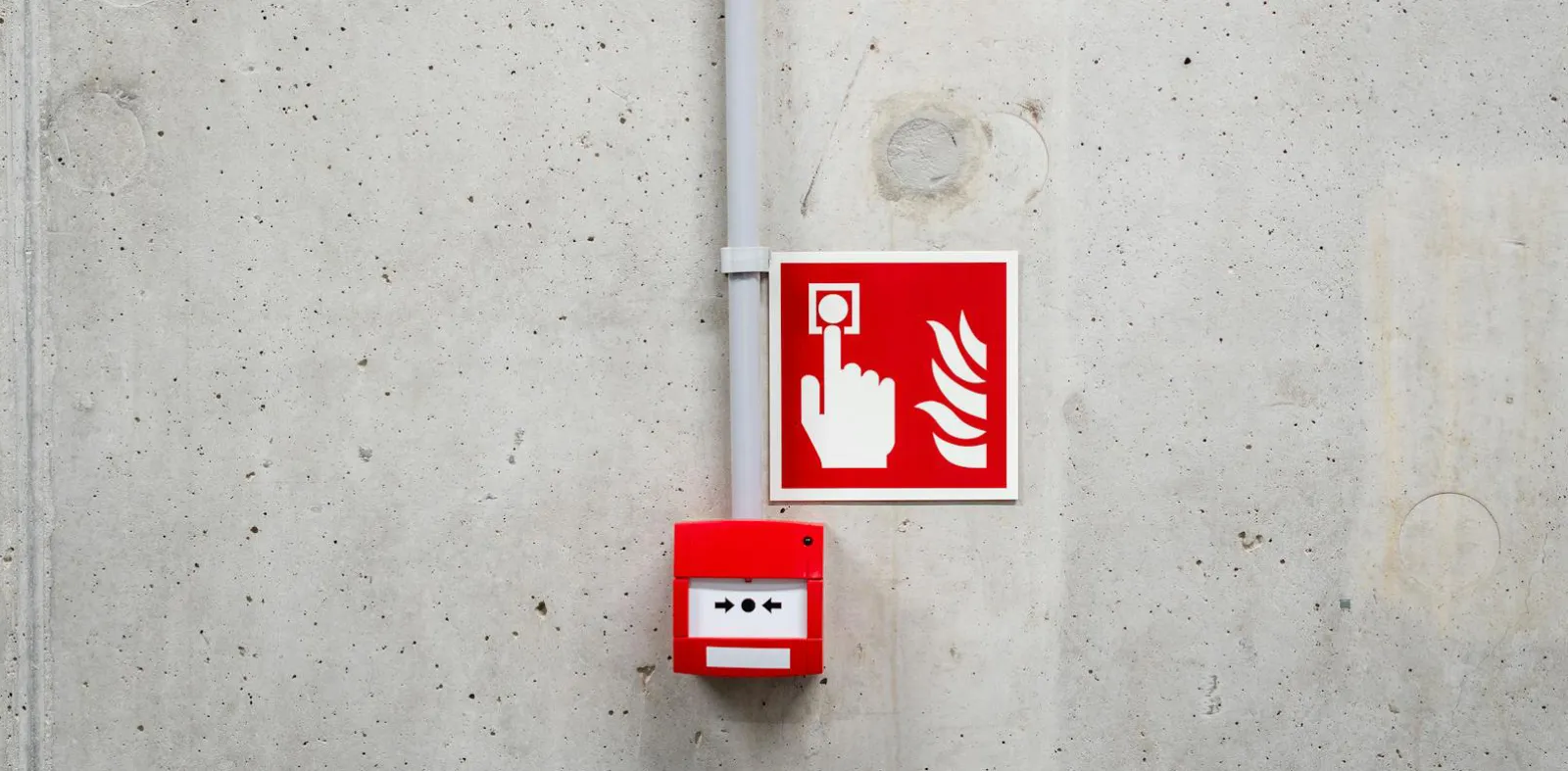
Comprehensive Fire Safety Solutions for Modern Facilities
Read Time:4 Minute, 47 Second
Modern facilities face fire safety challenges that grow more complex by the day. Managing a commercial high-rise, industrial complex, healthcare institution, or educational campus means implementing fire protection systems that go far beyond the basics. Facility managers need solutions that protect lives and property while satisfying increasingly stringent regulatory requirements. Today’s advanced fire protection technologies deliver capabilities that would’ve seemed like science fiction just a decade ago, early detection that catches problems before they escalate, rapid response systems that act in seconds, and seamless integration with building management platforms.
Advanced Fire Detection and Alarm Systems
Contemporary fire detection technology has come a long way from those simple smoke detectors that seemed to go off every time someone burned toast. Modern facilities now benefit from intelligent, addressable systems that pinpoint exact locations and dramatically reduce false alarms that waste time and resources. Multi, sensor detectors analyze several environmental factors at once, smoke particles, heat levels, carbon monoxide concentrations, to determine whether there’s a genuine fire condition or just someone’s forgotten lunch in the microwave. Aspirating smoke detection systems take things even further, continuously sampling air through a network of pipes to provide ultra-early warning in sensitive environments like data centers and clean rooms where traditional detectors might not cut it.
Automated Suppression Systems for Diverse Applications
Fire suppression systems represent the active defense component of any comprehensive fire safety strategy, though not all suppression systems are created equal. Different technologies suit specific hazard types and occupancy classifications, so choosing the right one matters enormously. Traditional wet pipe sprinkler systems remain the workhorse for most commercial applications, offering reliable and cost-effective coverage for general occupancy areas. Pre-action and deluge systems provide specialized protection for environments where accidental water discharge would cause catastrophic damage, think museums or archival facilities, requiring both detector activation and sprinkler operation before water flows.
Monitoring and Emergency Response Coordination
Continuous professional monitoring forms the critical link between detecting a fire and getting help on the way, ensuring that alarm signals receive immediate attention whether it’s three in the afternoon or three in the morning. Central station monitoring services provide round-the-clock oversight of fire alarm systems, with trained operators who follow customized emergency protocols to contact fire departments, facility personnel, and key stakeholders within seconds of alarm activation. For facilities that can’t afford even a moment’s delay, commercial fire alarm monitoring ensures redundant signal transmission through multiple communication paths, cellular, internet, and traditional phone lines, so alarms get through even if primary connections fail. Integration with building management systems gives monitoring centers access to additional contextual information like HVAC status, access control data, and security camera feeds that help emergency responders understand what they’re walking into. Mass notification capabilities enable rapid communication with building occupants through multiple channels including public address systems, digital signage, email, and text messaging, ensuring everyone gets the message regardless of where they are or what they’re doing. Detailed incident reporting and data analytics help facility managers spot patterns, optimize system performance, and demonstrate compliance with insurance and regulatory requirements that seem to grow more demanding every year. The combination of intelligent detection, automated suppression, and professional monitoring creates a comprehensive safety net that dramatically reduces response times and improves outcomes when emergencies occur.
Compliance Management and System Integration
Navigating the complex landscape of fire safety codes, standards, and regulations feels like a full-time job in itself, requiring ongoing attention to evolving requirements at local, state, and federal levels. Building codes reference standards from organizations like NFPA, UL, and FM Global that dictate minimum requirements for system design, installation, inspection, testing, and maintenance, and those standards change regularly. Facilities in specialized sectors face additional layers of requirements, with healthcare institutions following NFPA 99, educational facilities adhering to specific life safety provisions, and industrial operations complying with process safety management regulations that can fill entire binders. Modern fire safety management platforms help facility teams track inspection schedules, document maintenance activities, manage deficiencies, and generate compliance reports that satisfy both regulatory authorities and insurance underwriters who’ve become increasingly particular about documentation.
Preventive Maintenance and System Optimization
Proactive maintenance programs ensure that fire protection systems perform reliably when lives depend on them, while also extending equipment lifespan and minimizing those costly emergency repairs that always seem to happen at the worst possible time. Regular inspection, testing, and maintenance activities follow manufacturer specifications and code requirements, with different components requiring attention at intervals ranging from weekly checks to annual comprehensive evaluations. Documented maintenance records demonstrate due diligence to insurance carriers and regulatory authorities while providing valuable data for long-term capital planning and system upgrade decisions that need solid justification. Predictive maintenance approaches leverage system diagnostics and performance trending to identify potential failures before they occur, which reduces downtime and improves overall reliability in ways that reactive maintenance simply can’t match.
Conclusion
Comprehensive fire safety solutions for modern facilities represent far more than checking boxes for code compliance, they’re strategic investments in life safety, property protection, and business continuity that can make the difference between a manageable incident and a catastrophic loss. By integrating advanced detection technologies, appropriate suppression systems, professional monitoring services, and proactive maintenance programs, facility managers create resilient safety infrastructures capable of addressing diverse fire scenarios that might occur in today’s complex buildings. The rapid evolution of fire protection technologies offers unprecedented opportunities to enhance safety while improving operational efficiency through intelligent system integration and data-driven decision making that would’ve been impossible just a few years ago. As facilities become increasingly complex and regulatory requirements continue to evolve, partnering with experienced fire safety professionals ensures that protection strategies remain current, effective, and aligned with organizational risk management objectives that balance safety with practical operational needs.

Happy
0 %

Sad
0 %

Excited
0 %

Sleepy
0 %

Angry
0 %

Surprise
0 %
 0
0
 0
0
More Stories

BestLinks AI Vs A Paid Invoice For Listings
Directory owners in India often treat a vendor email as a price check. The mailbox looks harmless because no rupee...

CFA Coaching in Indore: Why Krypton Education Is a Smart Choice for CFA Aspirants
The CFA (Chartered Financial Analyst) program is one of the most recognized qualifications for students and professionals building a career...

How Apna Advantage Makes Online Education Affordable in India
The advent of online education has brought a new dimension to how students and working professionals choose to undertake their...
Construction Machinery Trends That Are Reshaping Heavy Equipment Operations
The construction industry has always relied on powerful equipment to complete demanding tasks, but the machinery used today is evolving...

Create Better Small-Business Marketing Visuals Without a Full Photo Shoot
A small business can need a surprising number of images in one month: a seasonal post, a directory listing, a...

5 Tips on Creating a Brand That Attracts Early Customers
When you launch a new business or product, your initial challenge involves more than just offering something valuable. You need...