
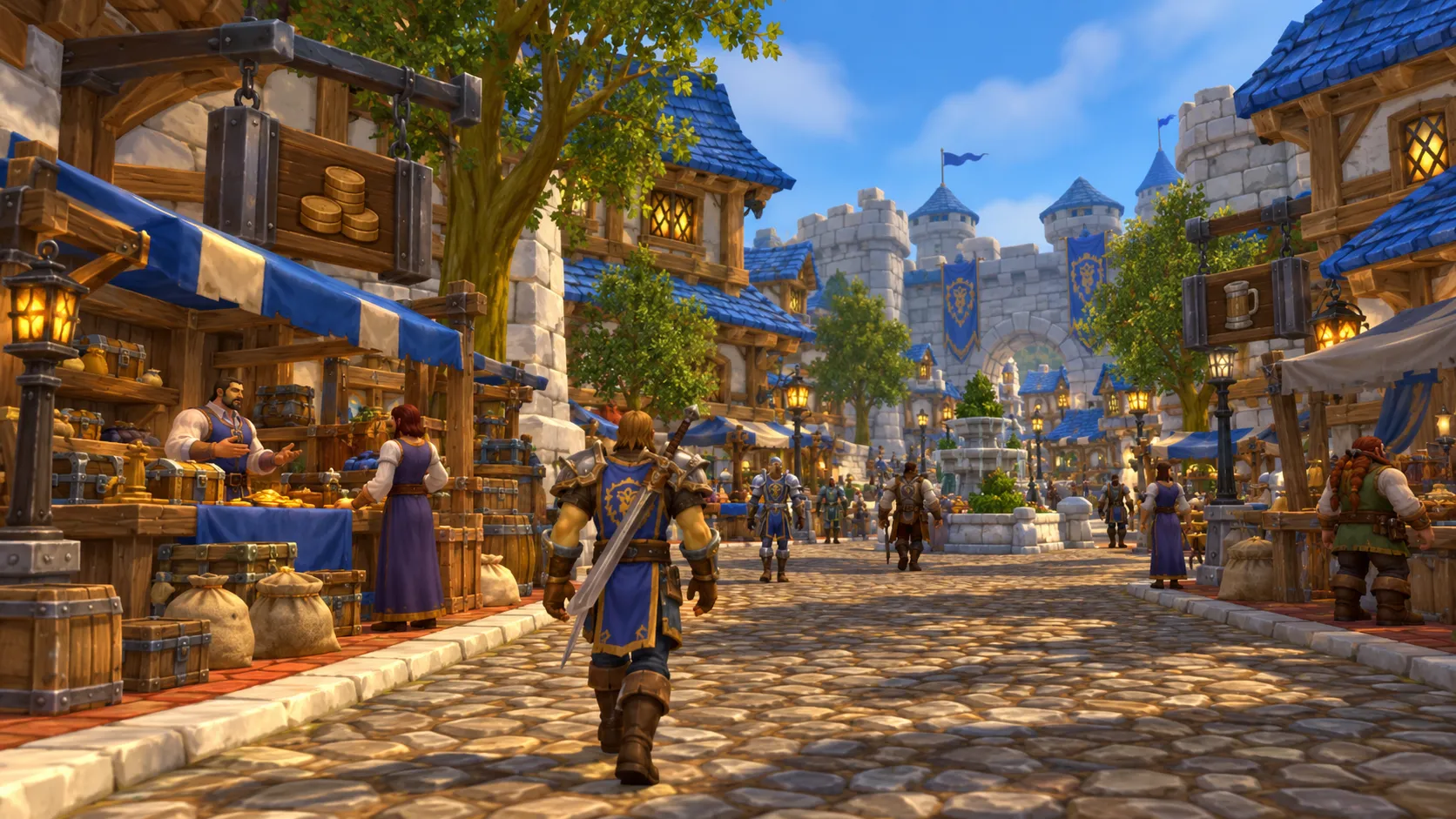
WoW Forever Gold: How Players Can Manage Costs and Save Time on Progression
Read Time:6 Minute, 10 Second
Gold has always influenced how smoothly a World of Warcraft character develops. It pays for useful items, profession materials, consumables, repairs, and purchases from other players.
In World of Warcraft: Forever, managing gold may matter even more for players who want to develop professions alongside their characters without spending most of their sessions farming materials.
Forever is still a new release with some systems continuing to be documented. Blizzard has confirmed major progression features such as the Legacy System, while community resources are continuing to track professions and other activities. That means exact farming routes, market prices, and gold-per-hour claims should be treated carefully until players have more reliable live-server data.
The useful approach is not trying to predict exact prices. It is understanding where gold is likely to matter and how to avoid spending it without a clear progression benefit.
Understand Where Your Gold Is Actually Going
Gold management starts with knowing which expenses improve your character and which ones simply drain your balance. A purchase that saves ten minutes today is not automatically useful if the item becomes irrelevant shortly afterward.
Separate Progression Costs From Convenience Costs
Players can generally think about spending in a few broad categories:
- Profession training and crafting materials
- Gear or useful items bought from other players
- Consumables used during group content
- Repairs and routine character expenses
- Auction House purchases that replace gathering or farming time
The important question is not simply, “Can I afford this?” Instead, ask whether the purchase removes a meaningful obstacle.
Buying materials to finish an important profession milestone, for example, can make more sense than buying a small gear upgrade that will probably be replaced after a few quests or dungeon runs.
Avoid Buying Every Upgrade While Leveling
The Auction House can make upgrades tempting because improvements are immediately visible. Constantly replacing equipment, however, can consume gold that may have greater value later.
Before buying an item, check:
- How large is the improvement?
- Is your current content actually difficult because of your gear?
- Could a quest, dungeon, profession, or drop replace the item soon?
If the answer to the third question is yes, keeping the gold may be the better choice.
Use Professions as Part of Your Gold Strategy
Professions are not just side activities in Forever. They can form part of wider character progression and may influence how much players need to spend on materials, crafted items, and other resources.
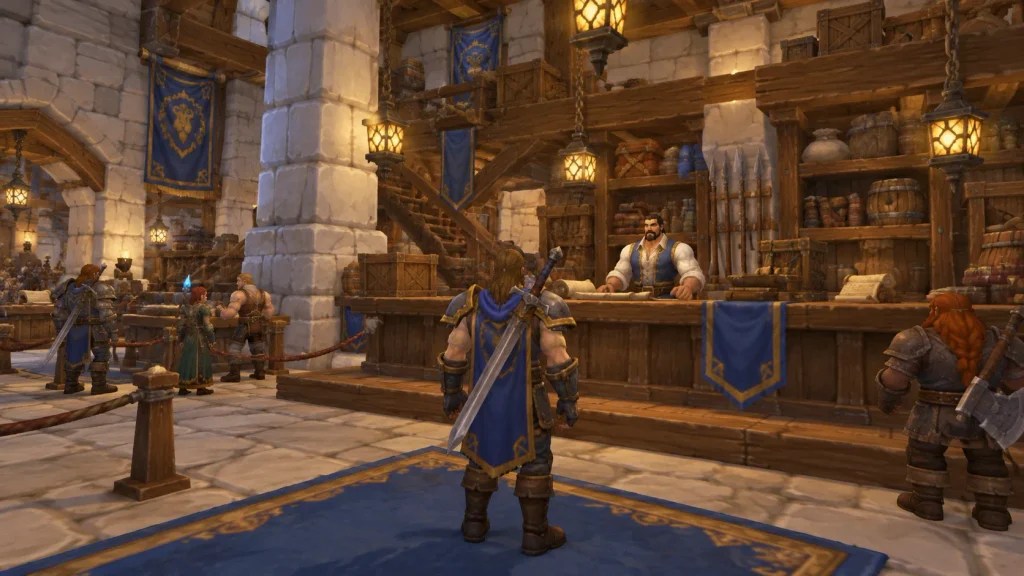
Planning professions carefully can therefore help with both progression and gold management.
Gathering Can Reduce What You Need to Buy
A gathering profession can turn normal leveling time into material collection. Instead of setting aside a separate farming session, players can collect resources while travelling between quests and other activities.
Gathered materials can generally be used for crafting, saved for later progression, or sold to other players when there is demand.
The practical choice is between three approaches:
| Approach | Main Advantage | Main Trade-Off |
| Gather and sell | Builds a gold reserve | Materials are unavailable for your own crafting |
| Gather and craft | Reduces material purchases | Less immediate gold income |
| Buy materials | Saves gathering time | Requires a larger gold budget |
There is no universal correct option. A player focused heavily on professions may value self-gathering, while someone concentrating on dungeons or group progression may prefer paying for selected materials.
Treat the Auction House as a Tool, Not a Shortcut for Everything
The Auction House can become one of the most important places for managing both spending and income. Players can use it to buy materials, look for useful equipment, or sell items they do not need.
Its real value comes from comparing the cost of an item with the time it would take to obtain it another way.
Check Before You Buy or List
Market prices can change considerably, especially around a new release when supply, demand, profession leveling, and player activity are still settling.
Before spending heavily:
- Compare several listings rather than choosing the first option
- Check whether the material can be gathered during activities you already plan to do
- Avoid stockpiling items based purely on assumptions about future prices
- Consider whether crafting the finished item is cheaper than buying it directly
The same logic applies when selling. An uncommon material is not automatically valuable just because few listings exist. A market needs buyers as well as limited supply.
Decide When Farming Is Worth Your Playtime
Farming gold is not automatically inefficient. If gathering materials, completing repeatable activities, or working the Auction House is something you enjoy, earning currency can simply become another part of playing the game.
The problem appears when gold farming begins replacing the activities you actually logged in to play.
Think in Terms of Opportunity Cost
Suppose you have a limited evening available. Spending most of it gathering resources may mean postponing a dungeon, profession goal, alt, or another progression activity.
For some players, farming is part of the fun. Others may prefer to reduce repetitive farming and spend their limited sessions on character development.
Discussions around cheap wow forever gold generally come from this time-versus-currency trade-off, but players should still be cautious with third-party transactions and check Blizzard’s current rules before using outside services.
Saving time should never mean ignoring account-security concerns or game policies. Players should understand the rules attached to any service before making a decision.
Build Gold Into Your Progression Plan
Players often treat gold as something separate from leveling. A better approach is to make earning and spending decisions alongside the activities already planned for the character.
That can reduce unnecessary farming sessions while making normal gameplay more productive.
Combine Activities Instead of Creating Extra Farming Sessions
If your route passes gathering nodes, collect them. If your profession creates materials or items that other players need, check whether selling extras makes sense. If you receive tradeable items that do not help your character, compare their vendor value with the current player market.
This turns ordinary gameplay into steady financial management rather than forcing every gold problem into a dedicated farming session.
It also gives players more flexibility. Gold earned while questing or working on professions can later cover materials, consumables, useful items, or other progression costs.
Keep a Reserve Instead of Spending Down to Zero
One of the simplest habits is keeping part of your gold untouched.
Unexpected expenses are easier to handle when you already have a reserve. A professional requirement, useful material, repair bill, or meaningful equipment opportunity should not require another farming session every time it appears.
You do not need a fixed percentage or a specific amount. Those numbers depend on the economy and your current stage of progression. Instead, use a simple rule: after optional purchases, keep enough gold that routine expenses do not become a problem.
Conclusion
WoW Forever gold management is less about finding one perfect farming method and more about making better choices with both currency and time.
Use professions alongside normal progression, gather materials when it fits your route, avoid unnecessary Auction House upgrades, and compare the time saved by a purchase with its actual usefulness. Keeping a reasonable reserve can also prevent small expenses from interrupting whatever you planned to do next.
Because World of Warcraft: Forever is still new, exact prices, farming returns, and market behaviour may continue to change. Players who focus on flexible habits rather than speculative numbers will be in a better position to adjust as the in-game economy develops.

Happy
0 %

Sad
0 %

Excited
0 %

Sleepy
0 %

Angry
0 %

Surprise
0 %
 0
0
 0
0
More Stories

Top Strategies To Improve Your Speed in Ludo Games
Playing Ludo on digital screens has completely transformed how board game enthusiasts experience traditional gameplay. Modern formats focus heavily on...

Managing Battle Pass Content Through Headless CMS Architecture
Battle passes have become a major part of live service game design, giving players a structured way to progress through...

How AISong Turns a Song Into a New Vocal Cover
For content creators, producing a fresh vocal version of a song can require a singer, recording space, editing time, and...

What Indian Users Should Check Before Choosing an Online Betting App
India’s digital habits are mobile first. People compare services on their phones, read listings before trying a platform, and expect...

Best Video Downloader Without Ads: Top Picks for 2026
Ads have gotten worse. Pop-ups, redirects, fake download buttons, auto-play audio — the average free video downloader has turned into...

Ten Music AI Platforms Through A Creator Lens
The most interesting change in music AI is not that software can now generate songs from written input. The deeper...