
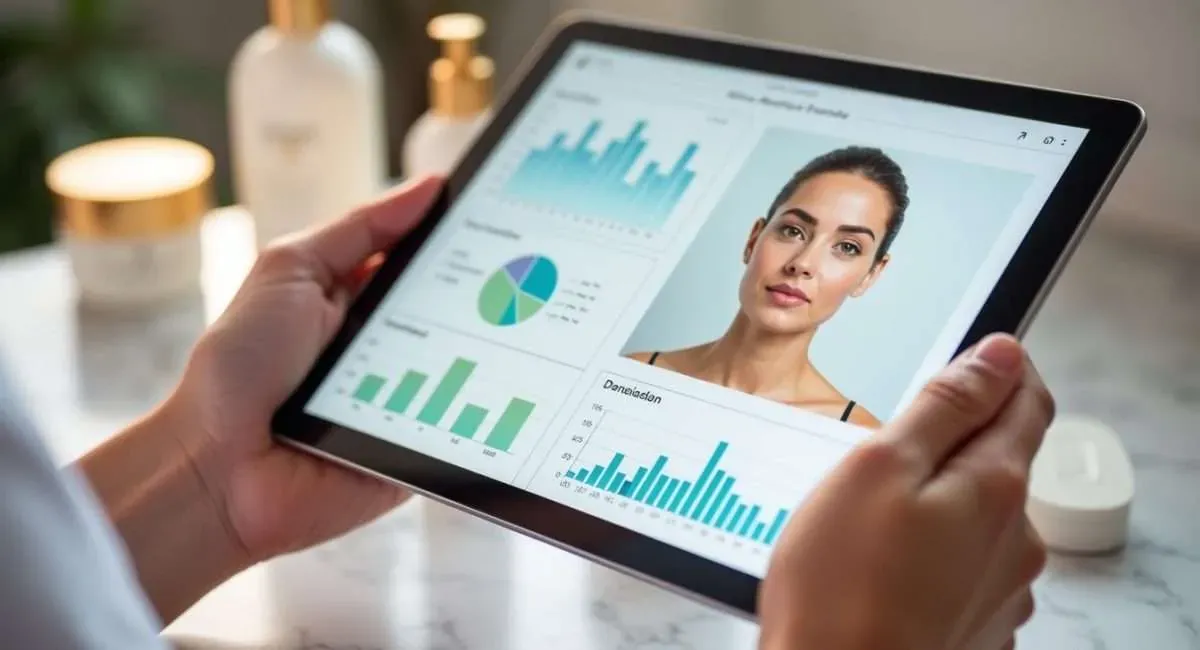
How API-Driven Content Supports Individualized Beauty Experiences
Read Time:10 Minute, 40 Second
Beauty shopping is becoming more personal, more digital, and more connected across different customer touchpoints. Customers no longer want to browse a generic product catalog and guess which products might fit their preferences. They want skincare routines, shade guidance, product education, tutorials, recommendations, and campaign content that feel relevant to their needs. A customer exploring a lightweight moisturizer may need a very different journey from someone looking for bold makeup inspiration, fragrance layering advice, or a personalized haircare routine.
API-driven content helps beauty brands deliver these individualized experiences by making content flexible and easy to distribute across websites, mobile apps, quizzes, loyalty platforms, product recommendation tools, email campaigns, and future digital channels. Instead of locking product information and educational content into one fixed page, content can be structured in a headless CMS and delivered through APIs wherever it is needed. This allows beauty brands to personalize customer journeys while keeping information consistent, accurate, and scalable. For brands that want to combine creativity with customer relevance, API-driven content creates a powerful foundation for individualized beauty experiences.
Creating a Flexible Foundation for Beauty Personalization
API-driven content gives beauty brands the flexibility needed to create personalized digital experiences without rebuilding content for every channel. Traditional content systems often connect content directly to one website layout, which makes it harder to reuse product information, tutorials, campaign stories, or routine guidance in other formats. Continue reading to understand how API-driven content can help beauty brands deliver personalized experiences across apps, emails, quizzes, and product pages more efficiently. When beauty brands want to personalize content across apps, emails, quizzes, and product pages, this limitation can slow down progress.
With API-driven content, product descriptions, ingredient explanations, shade data, tutorial content, collection stories, and routine modules can be managed in one central system and delivered wherever they are needed. This means a product recommendation can appear as a full product card on a website, a shorter summary in an app, or a personalized section in an email. The content remains consistent, but the presentation can change depending on the customer journey. This flexibility is essential for individualized beauty experiences because every customer interaction may require a slightly different version of the same trusted content.
Delivering Relevant Product Content Across Channels
Beauty customers often move between several digital touchpoints before making a purchase. They may discover a product through a social campaign, read about it on a landing page, compare it on a website, save it in a mobile app, and later receive a reminder through email. If each channel uses disconnected content, the experience can feel inconsistent. The customer may see different descriptions, visuals, or recommendations depending on where they interact with the brand.
API-driven content helps solve this by allowing the same structured product information to flow across multiple channels. A customer interested in a serum can see consistent benefits, ingredient details, routine guidance, and related product suggestions whether they are browsing the website or using an app. Each channel can adapt the content to its own format, but the core information stays aligned. This creates a smoother journey because customers receive relevant and reliable information wherever they engage. For beauty brands, this consistency supports trust while still allowing the experience to feel personalized.
Supporting Personalized Product Recommendations
Product recommendations are only useful when they feel relevant. A beauty customer may be interested in products based on routine step, texture, shade family, finish, scent profile, ingredient focus, or beauty goal. Generic recommendations can feel random, especially when a brand has a large catalog. API-driven content makes personalized recommendations more effective by giving recommendation systems access to structured, detailed product information.
A headless CMS can organize products with metadata such as category, collection, texture, finish, benefit, usage time, ingredient focus, and related routine. APIs can then deliver this content to recommendation modules, quizzes, product pages, and email journeys. A customer browsing hydrating skincare can be shown related cleansers, serums, moisturizers, and masks. A customer exploring soft makeup looks can receive subtle shade suggestions and tutorial content. Because the content is structured and accessible, recommendations can go beyond simple product matching. They can include educational context, visuals, and usage guidance that make the recommendation more helpful.
Connecting Customer Preferences With Structured Product Data
Individualized beauty experiences depend on understanding customer preferences and connecting those preferences with the right content. A customer may prefer lightweight textures, warm shades, fragrance-free products, simple routines, bold colors, or products connected to a specific occasion. If product data is not structured, it becomes difficult to match those preferences with relevant product content.
API-driven content works best when product information is organized into clear fields and relationships. Products can be tagged by texture, finish, shade family, routine step, product benefit, scent profile, collection, and usage context. When a customer interacts with a quiz, filter, or recommendation tool, APIs can pull the right content based on those preferences. This allows beauty brands to create experiences that feel responsive and personal. Instead of asking customers to browse through endless options, the brand can guide them toward products and educational content that match what they are looking for.
Powering Beauty Quizzes and Guided Shopping Tools
Beauty quizzes and guided tools help customers make confident decisions. A skincare quiz can recommend a routine, a shade finder can suggest color options, a fragrance guide can identify scent families, and a makeup look builder can recommend products for a specific style. These experiences require content that can be delivered dynamically based on customer answers. Static content systems often make this difficult because content is tied to fixed pages.
API-driven content makes guided shopping tools more powerful by connecting quiz logic with structured product and education content. When a customer answers questions, the tool can use APIs to retrieve relevant product recommendations, routine steps, usage instructions, tutorials, and related guides. A customer who prefers a minimal skincare routine can receive a simple product set with clear instructions, while another who wants a more complete routine can receive additional steps. Because the content is managed centrally, teams can update products, explanations, and recommendations without rebuilding the entire quiz. This makes guided shopping easier to maintain and improve.
Creating More Useful Skincare Routine Experiences
Skincare is highly routine-based, which makes it ideal for individualized content. Customers often want to know which products to use, when to use them, how to layer them, and how each step supports their goals. A product recommendation becomes more valuable when it is placed inside a clear routine. Without structured content and API delivery, routine experiences can become difficult to personalize across channels.
With API-driven content, each skincare product can be connected to routine steps, usage times, product pairings, ingredient focus, and educational explanations. APIs can deliver this information to routine builders, product pages, post-purchase emails, mobile apps, and loyalty experiences. A customer can receive a morning routine, evening routine, travel routine, or simplified routine based on their preferences. The content can include product order, usage guidance, related tutorials, and product explanations. This makes skincare education more practical because customers are not just shown individual products; they are guided through a complete and personalized experience.
Improving Shade and Color Discovery
Shade discovery is one of the most personal parts of beauty shopping. Customers choosing foundation, concealer, lipstick, blush, bronzer, or eyeshadow often need help understanding shade family, undertone, depth, finish, and how a color may fit their desired look. If shade information is limited or inconsistent, customers may hesitate before buying. API-driven content can make shade discovery more detailed and interactive.
A headless CMS can store structured shade information for each product variant, including shade name, undertone, color family, finish, swatch image, model image, and related product suggestions. APIs can then deliver this content to shade selectors, comparison tools, virtual try-on experiences, product pages, and personalized recommendations. A customer interested in warm neutral shades can discover relevant products across multiple categories, while someone exploring bold colors can see matching tutorials and collection content. This creates a richer discovery experience and helps customers feel more confident when choosing color-based products online.
Personalizing Product Education in Real Time
Beauty customers often need education before they feel ready to purchase. They may want to understand how an ingredient works, how to apply a product, which product fits a routine, or how two products compare. The right educational content can vary depending on what the customer is doing. Someone browsing for the first time may need beginner guidance, while someone comparing products may need more detailed information.
API-driven content allows beauty brands to deliver educational content based on real-time context. If a customer is viewing a moisturizer, the page can pull relevant routine guidance, ingredient explanations, and product pairing suggestions. If a customer completes a quiz, the results page can show personalized tutorials and usage steps. If someone returns after a purchase, the app can show post-purchase education. Because the content is structured and delivered through APIs, the brand can adapt education to each customer’s stage in the journey. This makes product education feel timely and useful rather than generic.
Supporting Personalized Campaign Journeys
Beauty campaigns often include product launches, seasonal collections, limited editions, tutorials, visual stories, and promotional content. A campaign may appeal to several different customer groups, but not every customer needs to see the same version. Someone interested in skincare may want routine-focused content, while someone interested in makeup may want shade inspiration and tutorials. API-driven content makes it easier to adapt campaign journeys without creating entirely separate campaigns.
A headless CMS can structure campaign content into reusable elements, such as hero messages, product groups, tutorials, images, collection descriptions, and audience tags. APIs can deliver different combinations of these elements based on customer interest, region, channel, or behavior. The overall campaign story remains consistent, but the customer sees the most relevant parts first. This makes campaigns feel more personal and engaging. It also helps internal teams because they can manage one structured campaign foundation instead of manually building many disconnected versions.
Delivering Individualized Loyalty Experiences
Loyalty programs give beauty brands an opportunity to deepen personalization. Members may expect content based on their product interests, purchase history, routine preferences, or membership level. A generic loyalty experience may not feel valuable enough to encourage long-term engagement. API-driven content allows brands to deliver more individualized member journeys while keeping content organized and consistent.
Through a headless CMS, brands can manage exclusive tutorials, early-access product pages, member-only recommendations, routine content, collection previews, and personalized product education. APIs can deliver this content to loyalty dashboards, emails, apps, and account pages. A member interested in fragrance can receive scent-focused stories and product suggestions, while a skincare-focused member can receive routine guidance and ingredient education. The experience feels more relevant because the content reflects individual interests. At the same time, teams can update loyalty content centrally, making it easier to keep member experiences fresh and accurate.
Localizing Individualized Beauty Experiences
Beauty preferences are not the same in every market. Customers in different regions may respond to different shades, product textures, routine habits, seasonal needs, language, and product availability. Individualized experiences need to consider both personal preferences and local context. Without a flexible content structure, regional personalization can become difficult to manage.
API-driven content supports localization by allowing global and regional content versions to work from the same structured foundation. Global teams can define core product information, campaign stories, and educational content, while local teams adapt language, availability, regional recommendations, and market-specific messaging. APIs can then deliver the right version based on region or channel. A customer in one market can receive locally relevant products and guidance, while another market receives its own adapted experience. This helps beauty brands maintain global consistency while making the experience feel natural and relevant for each customer.
Conclusion
API-driven content supports individualized beauty experiences by giving brands a flexible and scalable way to deliver relevant product information, education, recommendations, and campaign content across digital channels. Beauty customers want experiences that reflect their preferences, routines, goals, shades, textures, and shopping behavior. A generic product catalog is no longer enough for brands that want to create stronger customer relationships.
By using structured content and API delivery, beauty brands can power personalized recommendations, skincare routines, shade tools, guided shopping quizzes, loyalty journeys, localized content, and real-time product education. Internal teams benefit from faster updates, stronger consistency, and easier content reuse. Customers benefit from clearer guidance, more relevant product discovery, and a shopping journey that feels tailored to their needs. As beauty experiences become more digital and personalized, API-driven content provides the foundation brands need to stay flexible, customer-focused, and ready for the future.

Happy
0 %

Sad
0 %

Excited
0 %

Sleepy
0 %

Angry
0 %

Surprise
0 %
 0
0
 0
0
More Stories

BestLinks AI Vs A Paid Invoice For Listings
Directory owners in India often treat a vendor email as a price check. The mailbox looks harmless because no rupee...

The Problem With Software “Best Of” Lists — And What a Recommendation-First Approach Looks Like Instead
Anyone who has tried to pick a SaaS tool recently knows the drill: open a "Top 10" listicle, find ten...
Create Engaging Visual Stories with AI Tools
Visual storytelling is no longer just for professional movie studios or high budget marketing agencies. Anyone with a computer and...
Listing Photos Fail When Image to Image Invents A Shopfront
Customers still walk to the address on the listing. A local Image to Image update is useful only when the...
Create Better Small-Business Marketing Visuals Without a Full Photo Shoot
A small business can need a surprising number of images in one month: a seasonal post, a directory listing, a...
Managing Battle Pass Content Through Headless CMS Architecture
Battle passes have become a major part of live service game design, giving players a structured way to progress through...