
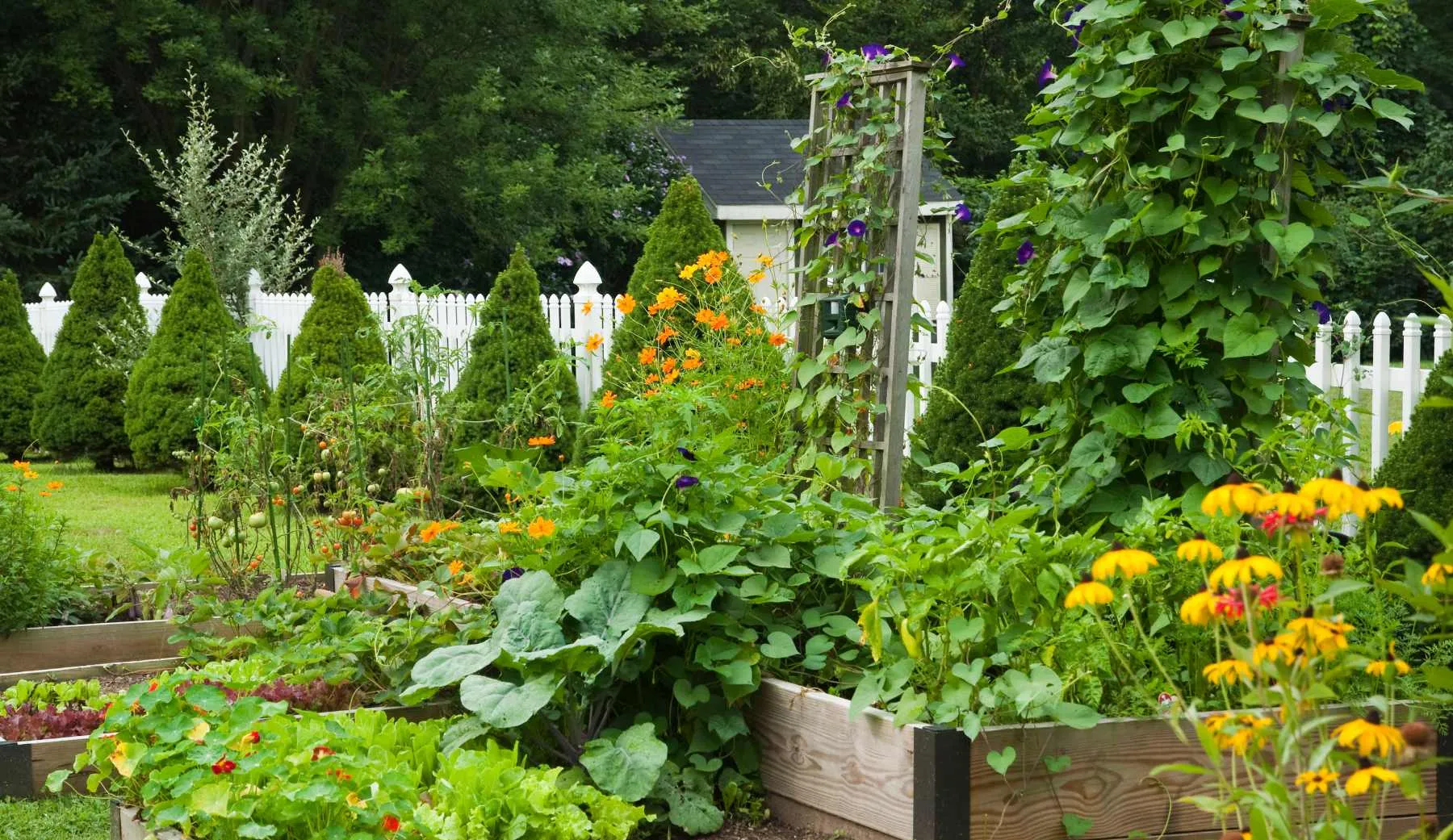
The Ultimate Guide to Maintaining a Healthy Garden Year-Round
Read Time:4 Minute, 38 Second
A thriving garden doesn’t just happen. Consistent attention is the price — season after season, through blistering heat and hard frost alike. What your plants need in July looks nothing like what November demands. Light fades. Temperatures lurch. Pest cycles crest and crash. Miss those shifts and you’re already behind. Stay ahead of them, though, and fresh produce plus genuinely healthy plants become routine — from earliest spring right through the cold months.
Preparing Your Garden for Seasonal Changes
Blow the prep and you pay for it all season long. Every season runs on its own logic — weather swings, pest cycles, growth rates — and each demands its own response. Test soil pH and nutrient levels before spring arrives, not after. Old debris and dead plant material? Gone. Pile that stuff up and you’ve handed insects and fungi a free winter resort — they’ll emerge ravenous come spring. Fall is the moment to fork compost or aged manure straight into your beds; the soil wants months to digest it before growth restarts. Get your mulch down at the right window, too. One layer, three payoffs: temperature buffering for roots, moisture retention, weed suppression. Hard to argue with that math.
Watering and Moisture Management Throughout the Year
Water needs swing hard between seasons. Get the balance wrong and you’re wrestling drought stress or root rot — neither is fun. Spring and summer growth demands deep watering, somewhere between once and three times weekly, though rainfall and soil type push that number around. Here’s the catch with spring: the rains complicate things. Check actual soil conditions rather than running a fixed schedule; overwatering during a wet stretch does real damage. Fall changes everything — growth slows, evaporation drops, plant metabolism gets sluggish. Pull back on frequency. Winter is its own puzzle entirely. Frozen ground absorbs nothing, but potted plants brought indoors still need regular moisture checks. One rule that holds regardless of month: water early. Leaves dry out before temperatures drop at night — and that gap is what keeps fungal pressure from taking hold.
Managing Pests and Diseases Across Seasons
Different pests peak at different times. Your strategy has to move with them — no fixed playbook survives contact with a full calendar year. Summer heat supercharges insect populations. Aphids, spider mites, plenty of others multiply fast when it’s warm. Check leaf undersides and new growth weekly. Spot trouble? Pull affected leaves immediately, or hit the problem early with an appropriate organic treatment. Wait and you lose ground fast. Autumn cleanup deserves serious attention: pests routinely overwinter inside plant debris and soil, so a hard sweep in fall genuinely cuts down how much you’re dealing with the following spring. Beyond that, keep spacing generous enough for air to move through, stay out of wet foliage, yank diseased leaves on sight. Spring fungal diseases arrive as moisture and warmth combine — preventive treatments applied early beat reactive scrambling every single time.
Soil Health and Nutrient Management Year-Round
Soil is where it all begins. Full stop. Nitrogen, phosphorus, potassium — plants drain those reserves continuously, all season long. Compost or a well-balanced fertilizer during spring growth spurts restores what’s been taken. Side-dress established plants in midsummer — you give them an energy boost right when flowering and fruiting demand the most. Fall is the moment to work in cover crops or extra compost; it preps the soil for next year while guarding against erosion through rough winter weather. One hard rule: never work frozen or waterlogged soil. It collapses structure, compacts the earth, and makes life miserable for roots and drainage alike. Test every few years rather than guessing. Targeted amendments beat scattershot ones — cheaper and more effective both.
Seasonal Planting and Timing for Success
Timing is everything. Plant too early or too late and you’re handing losses to frost, heat, or disease before the season even gets going. Spring planting revolves around your region’s last frost date — check with an agricultural extension service or a local gardening group if you’re unsure. Cool-season crops like lettuce, peas, and broccoli can shrug off a spring frost and actually prefer the chill. Warm-season crops — tomatoes, peppers, squash — won’t budge until soil temperatures clear fifty-five degrees. Succession planting through spring and into early summer keeps harvests coming steadily rather than one chaotic glut followed by a dry spell.
Many regions can squeeze in a second run with a fall garden, replanting cool-season crops once summer heat breaks and stretching the harvest well into autumn. Part of timing this well means knowing what’s already lurking in your beds; accurately identifying weed seeds lets you catch invasive species before they muscle out what you actually want to grow. Know your climate zone. Know your frost dates. Keep records of what you planted and when — that personal log becomes one of the most useful tools you’ll build over years of gardening.
Conclusion
Year-round garden health isn’t about running the same routine every month. Flexibility matters more. Read what each season actually demands, then adjust. Prep soil before transitions hit. Match watering to real conditions — not a wall calendar. Chase pests proactively rather than scrambling after damage is done. Feed the soil consistently. Time plantings with intention. Stack those habits and you build conditions where plants genuinely want to thrive. Every season brings headaches — that’s guaranteed. But steady monitoring and small course corrections keep minor problems from snowballing into disasters. Pick one or two of these practices and start now. Layer in more as they stick. Eventually none of it feels like a chore. It just becomes how you garden.

Happy
0 %

Sad
0 %

Excited
0 %

Sleepy
0 %

Angry
0 %

Surprise
0 %
 0
0
 0
0
More Stories
Water Damage Risks Every Commercial Property Should Address
Here's the thing about water damage — it doesn't wait. Hidden inside walls, lurking beneath flooring, it compounds silently until...

What Students Gain Beyond the Canvas in Art Class
Art class is often thought of as a creative outlet — a place where students learn to draw, paint, or...

When Energy Healing Supports Psychology with Spiritual Growth
There are moments in life when the familiar language of analysis and diagnosis feels insufficient. Not incorrect, but incomplete. The...

Finding A Lawyer to Help You Advocate for Yourself
Understanding Your Legal Rights and When Professional Help Is Essential Navigating the legal system can feel like trying to read...

How to Choose a Lawyer and What to Expect from the Legal Process
Legal trouble hits differently when it's yours. Suddenly, you're staring at questions you've never had to answer before. Who can...

Your Path to Justice After an Asbestos-Related Illness
Receiving a diagnosis of an asbestos-related illness can feel like the ground has suddenly shifted beneath your feet. In a...