
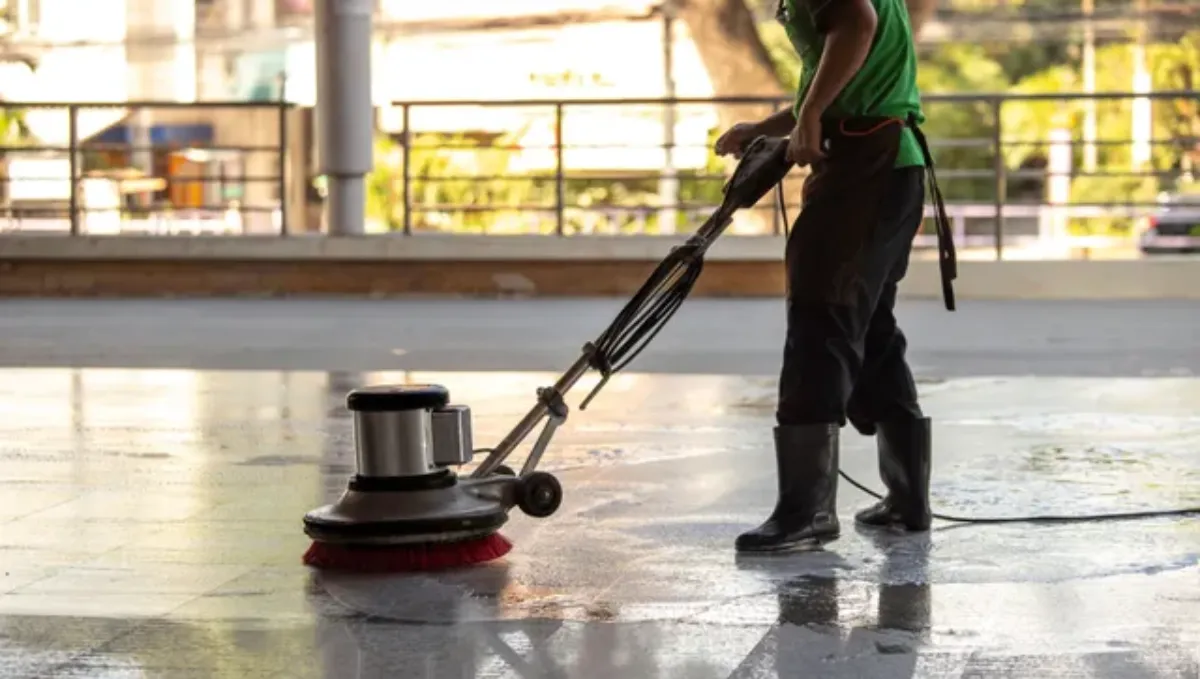
Water Damage Risks Every Commercial Property Should Address
Read Time:3 Minute, 42 Second
Here’s the thing about water damage — it doesn’t wait. Hidden inside walls, lurking beneath flooring, it compounds silently until the problem is catastrophic. A drip behind drywall. A clogged roof drain. A pipe that gives out at 11 p.m. on a Sunday. Any one of those can detonate into a full-blown crisis well before anyone’s filed a work order. What catches most owners off guard is the sheer speed of it. One small intrusion, a few days unnoticed, and suddenly you’re staring down a structural problem. Don’t wait for the emergency to find you first.
Structural Compromise and Foundation Damage
Concrete and moisture have a complicated relationship — and concrete always loses. Seeping water doesn’t announce itself. It just quietly hollows out structural supports from the inside while you’re busy running a business. No alarms go off. No obvious signals. Just slow, invisible rot working beneath your feet, steadily. In colder climates, the freeze-thaw cycle twists a minor issue into something far uglier — trapped moisture expands, cracks widen, the whole structure starts to shift. That small patch of seepage you’ve been ignoring? Left alone, it becomes a foundation repair bill that dwarfs virtually every other maintenance cost you’ll ever face. Fix it early. What comes later is exponentially worse.
Mold Growth and Indoor Air Quality
Mold doesn’t need much. A dark corner, some moisture, 48 hours — that’s essentially the full recipe. Spores travel through ventilation systems and take hold in walls, ceiling tiles, carpet backing, anything with porosity. Those visible surface patches? Almost never the whole story. The real colony is usually tucked inside wall cavities or above drop ceilings where nobody ever thinks to look. As concentrations climb, air quality drops fast — putting everyone in the building at genuine health risk. Professional remediation isn’t cheap; containment, demolition, material replacement all add up quickly. Stack that against the cost of simply managing moisture early. It’s not even close.
Equipment and Inventory Losses
Electronics don’t forgive water. Circuit boards, HVAC components, precision machinery — a single flooding event can obliterate critical infrastructure within hours. Inventory stored in lower levels? Often a total write-off. And even after the standing water is gone, corrosion and mineral deposits keep gnawing through mechanical systems — long after the floors are dry. When burst pipes or a flood event threatens irreplaceable assets, property managers call a reputable emergency restoration company to get on-site fast, pull standing water, and stop secondary damage from piling onto the original hit. One more thing worth knowing — don’t assume insurance covers it all. Many policies exclude or cap specific water damage categories, leaving real out-of-pocket exposure sitting right there on the table.
Plumbing and Mechanical System Failures
Old pipes don’t send warnings. They corrode internally for years, develop pinhole leaks, and saturate wall cavities long before anyone notices. Condensation from HVAC units, water heater failures, sprinkler malfunctions — all common culprits. None of them care what time it is or whether you have staff on-site. These failures tend to happen in spaces that rarely see an inspector, so the damage piles up well before discovery. Cold snaps make everything worse. A single burst pipe can dump massive volumes across multiple floors in minutes — fast enough to be shocking. Routine mechanical inspections and targeted upgrades catch the weak points before they blow.
Roof Leaks and Weather-Related Penetration
Your roof works constantly. Gets inspected almost never. UV exposure, thermal cycling, and physical weathering chip away at roofing materials steadily — quietly carving out pathways for water during storms. Flat roofs are especially problematic; standing water accelerates membrane breakdown wherever debris clogs the drains. Equipment penetrations and pipe entries are inherent weak points, and missing or poorly installed flashings turn them into funnels. Heavy rainfall can overwhelm drainage capacity entirely. Wind-driven rain pushes beneath materials that look perfectly intact from street level. Regular inspections and prompt repairs keep problems at the surface rather than letting them cascade through your building’s interior.
Conclusion
Water damage reaches far beyond cosmetic repairs. It compromises structural integrity, destroys equipment, wipes out inventory, and puts occupants at genuine risk. Multiple entry points exist — aging infrastructure, severe weather, mechanical failures — and most of them don’t offer much warning. Real protection requires understanding each threat, maintaining systems proactively, and having a rapid response plan ready before it’s ever needed. Staying vigilant about moisture isn’t optional. It’s what separates properties that stay operational from ones that don’t.

Happy
0 %

Sad
0 %

Excited
0 %

Sleepy
0 %

Angry
0 %

Surprise
0 %
 0
0
 0
0
More Stories

BestLinks AI Vs A Paid Invoice For Listings
Directory owners in India often treat a vendor email as a price check. The mailbox looks harmless because no rupee...

CFA Coaching in Indore: Why Krypton Education Is a Smart Choice for CFA Aspirants
The CFA (Chartered Financial Analyst) program is one of the most recognized qualifications for students and professionals building a career...

How Apna Advantage Makes Online Education Affordable in India
The advent of online education has brought a new dimension to how students and working professionals choose to undertake their...
Construction Machinery Trends That Are Reshaping Heavy Equipment Operations
The construction industry has always relied on powerful equipment to complete demanding tasks, but the machinery used today is evolving...

Create Better Small-Business Marketing Visuals Without a Full Photo Shoot
A small business can need a surprising number of images in one month: a seasonal post, a directory listing, a...

5 Tips on Creating a Brand That Attracts Early Customers
When you launch a new business or product, your initial challenge involves more than just offering something valuable. You need...